
Back Pain & Musculoskeletal Physiotherapy
Acute Low Back Pain: Causes, Recovery and When You Need a Scan
By Adam Neou, Physiotherapist ·
Acute low back pain is pain that develops in the lower part of the back, often over a few hours or days. It can occur after lifting something, bending, exercising or even performing an everyday movement.
For some people, the pain can be intense enough to make standing, walking, bending or getting out of bed difficult.
Although this can be alarming, severe low back pain does not necessarily mean you have seriously damaged your spine. Most episodes are not caused by a dangerous underlying condition, and many improve with time and appropriate management.
Understanding why your back hurts, when medical assessment is needed and whether you require a scan can help you approach recovery with greater confidence.
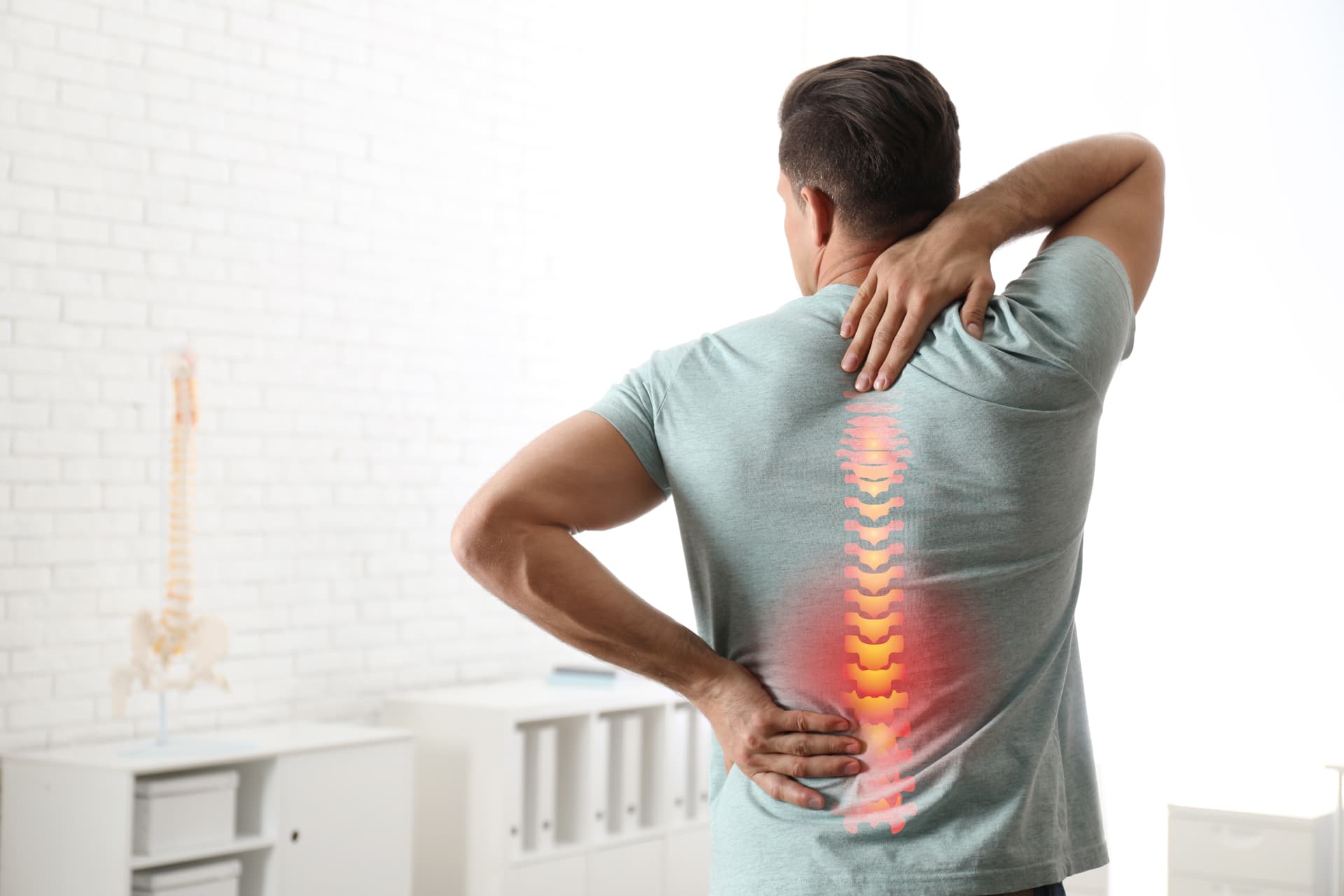
What is acute low back pain?
Acute low back pain refers to pain in the lower back that has recently developed. It is generally described as pain lasting less than six weeks, although definitions can vary.
It may be felt in the centre of the lower back, on one side, or across a broader area. Some people experience pain that spreads into the buttocks or upper legs.
Acute low back pain can occur with or without leg symptoms.
- Localised back pain: Pain mainly around the lower back.
- Referred pain: Pain that spreads into the buttocks or thigh, without necessarily indicating nerve damage.
- Radicular pain (sciatica): Pain caused by irritation of a spinal nerve root, which may travel down the leg.
These presentations can overlap, which is why an appropriate clinical assessment is useful when symptoms are severe, persistent or concerning.
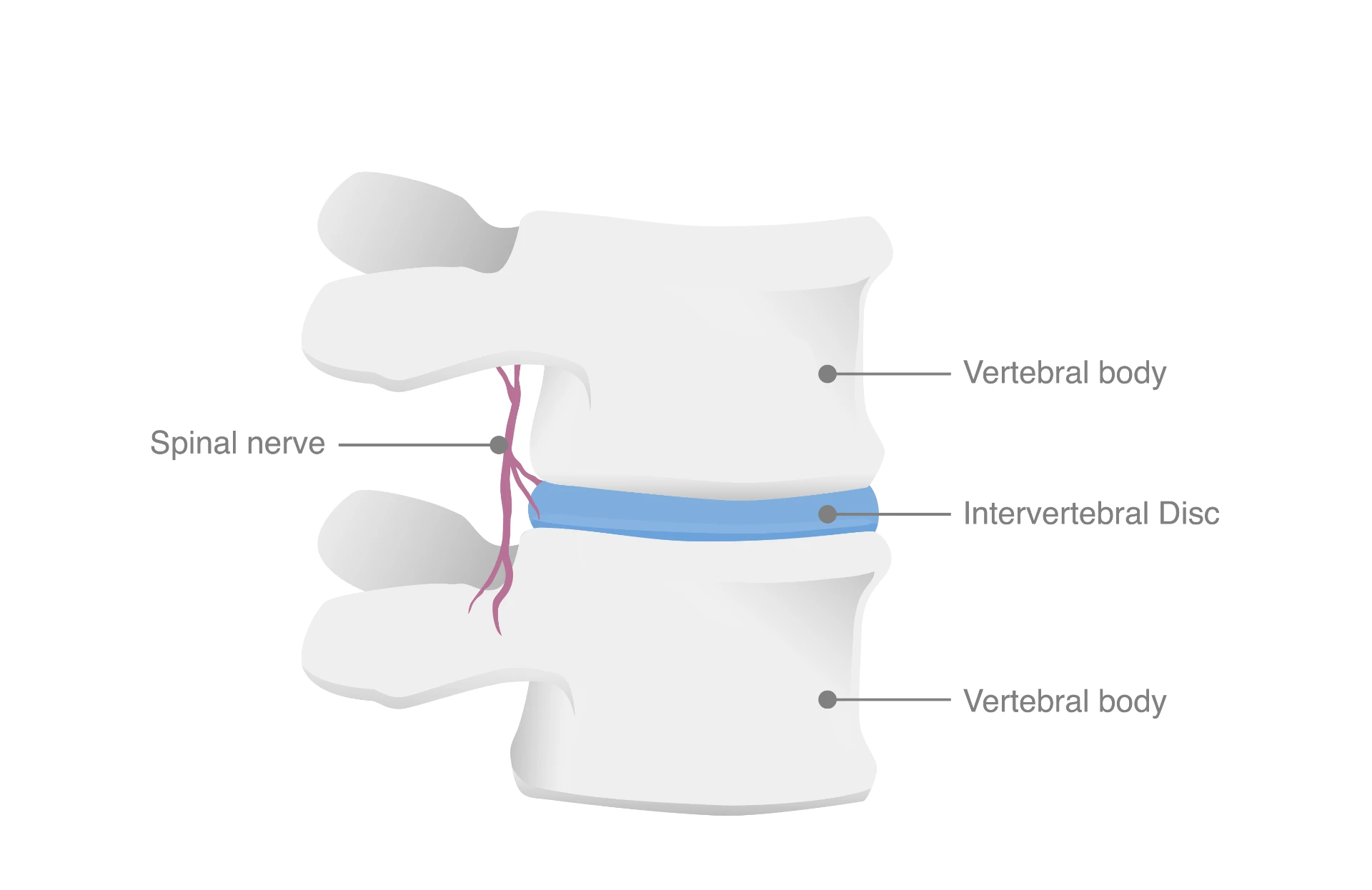
Why can acute back pain be so painful?
One of the most important things to understand about acute low back pain is that the intensity of pain does not reliably indicate the extent of structural damage.
You may experience significant pain after a relatively minor movement, such as bending forward to pick something up or getting out of a chair.
This does not automatically mean that you have slipped a disc, torn a muscle or damaged your spine.
Pain is not a direct measure of damage
Pain is produced by the nervous system in response to information from the body, interpreted alongside factors such as previous experiences, stress, sleep and the surrounding environment.
When the back becomes irritated, sensitive tissues can send signals to the nervous system. The nervous system may respond by increasing its sensitivity, making movements that would ordinarily be comfortable feel painful.
This is a protective response, but it can sometimes be disproportionate to the amount of tissue damage involved.
For example, a person might experience severe pain when bending forward despite having no significant structural injury. Another person may have age-related changes on a scan without experiencing any back pain at all.
This is why pain intensity alone cannot tell us how much damage has occurred.
Why can a small movement trigger severe pain?
Acute back pain can develop during movements that place ordinary loads on the spine.
Bending, twisting, lifting or prolonged sitting may irritate sensitive tissues, particularly if the back is already experiencing increased sensitivity or the activity exceeds what it is currently accustomed to.
However, the movement that triggers the pain is not necessarily the movement that caused significant tissue damage. In many cases, there is no single identifiable injury or damaged structure.
A painful movement is not necessarily a harmful movement. It may simply be a movement that the sensitive area is temporarily less tolerant of.
This distinction is important because fear of movement and the belief that the spine is fragile can make returning to normal activities more difficult.
What causes acute low back pain?
In many cases, acute low back pain is classified as non-specific low back pain. This means that a specific underlying structural cause cannot be confidently identified, even after an appropriate clinical assessment.
Possible contributing tissues include muscles, ligaments, joints, intervertebral discs and other structures around the spine.
Common circumstances associated with an episode include:
- Lifting or carrying something heavier than usual
- Repeated bending, twisting or unfamiliar physical activity
- Returning to exercise after a period of reduced activity
- Prolonged sitting or maintaining a position for an extended period
- A sudden increase in physical demands
These activities may contribute to an episode, but they do not necessarily indicate that something has been damaged. It is also common for acute back pain to develop without an obvious trigger.
Do I need an X-ray or MRI for acute low back pain?
In most cases, no. Imaging is not routinely recommended for acute low back pain when there are no clinical features suggesting serious underlying pathology and the findings are unlikely to change treatment.
This is consistent with Australia's Low Back Pain Clinical Care Standard and NICE guidance.
A clinical assessment can often provide sufficient information to guide initial management without requiring an X-ray, CT scan or MRI.
Why scans are not always helpful
Scans can show changes in the spine, but not every change seen on imaging is responsible for pain.
For example, imaging may identify:
- Disc bulges or protrusions
- Disc degeneration
- Changes in the small joints of the spine
These findings are also common in people who do not experience back pain.
As a result, identifying a structural change on a scan does not automatically establish that it is the source of someone's symptoms.
Unnecessary imaging can also lead to concern about findings that may be unrelated to the person's pain, potentially resulting in further investigations or treatments that are not needed.
When is imaging appropriate?
Imaging may be appropriate when the clinical assessment raises suspicion of a serious underlying condition, or when the result is likely to influence treatment decisions.
A physiotherapist or medical practitioner will consider the person's symptoms, medical history and examination findings.
Features that may warrant further investigation include:
- New or progressive muscle weakness: May indicate significant neurological involvement.
- Changes in bladder or bowel function, or numbness around the saddle region: May indicate cauda equina syndrome, which requires emergency assessment.
- Significant trauma or suspected fracture: May require investigation for a spinal fracture.
- History of cancer or features concerning for infection: May warrant investigation for serious underlying pathology.
The absence of neurological symptoms or signs, such as motor weakness, is reassuring, but it is not the only factor in deciding whether imaging is needed. A clinician must also consider other red flags and the overall clinical presentation.
Imaging decisions should be individualised rather than based on pain intensity alone.
How long does acute low back pain take to improve?
Many episodes of acute non-specific low back pain improve over the first few weeks, although recovery varies between individuals.
Some people notice substantial improvement within days, while others experience symptoms for several weeks.
Pain may fluctuate during recovery. You might feel better one day and experience a temporary increase in pain after a more demanding activity the next. This does not necessarily mean you have reinjured your back.
Gradually increasing your activity and monitoring how symptoms respond can help you return to your normal routine.
If symptoms are not improving, are significantly affecting your daily activities or are becoming progressively worse, a clinical review is appropriate.
What can you do to manage acute low back pain?
For most people without concerning clinical features, the initial approach focuses on maintaining movement, managing symptoms and gradually returning to normal activities.
1. Keep moving within your tolerance
Although resting briefly in a comfortable position may help during a severe flare-up, prolonged bed rest is generally not recommended.
Try to continue with everyday activities as much as you comfortably can.
- Taking short, regular walks
- Changing positions throughout the day
- Gradually returning to work and household activities
- Temporarily modifying activities that significantly aggravate symptoms
You do not need to push through severe pain. The aim is to maintain movement without unnecessarily aggravating your symptoms.
2. Gradually return to exercise
Gentle movement and exercise can help maintain confidence, mobility and physical function.
The most appropriate exercises depend on your symptoms, physical capacity and response to movement. There is no single exercise that is suitable for everyone with acute low back pain.
A physiotherapist can help identify comfortable starting points and progressively adjust your exercise programme as your symptoms improve.

3. Understand that temporary pain does not always mean harm
It is common for movements to feel uncomfortable during an acute episode.
Provided serious pathology has been appropriately excluded, experiencing some pain during movement does not automatically mean that you are causing further damage.
Understanding this can help reduce unnecessary fear and support a gradual return to activities.
When to be worried about acute low back pain
Although most acute low back pain is not caused by a serious underlying condition, certain symptoms require urgent medical assessment.
Other concerning features, including significant trauma, fever or systemic illness, or a history of cancer, may also warrant prompt medical assessment.
How can physiotherapy help acute low back pain?
A physiotherapist can assess your symptoms, screen for concerning features and develop a management plan tailored to your presentation.
At NeoPhysio, this may involve:
Assessment
Reviewing your symptoms, medical history, movement and physical function, including a neurological examination when indicated.
Education and reassurance
Explaining what may be contributing to your pain, addressing concerns about structural damage and discussing whether further medical assessment is appropriate.
Exercise rehabilitation
Developing a graded programme to help restore movement, improve physical capacity and support a return to everyday activities.

Symptom management
Using appropriate hands-on treatment or other techniques as part of a broader management plan where indicated.
The aim is to help you understand your symptoms, regain confidence in movement and return to the activities that matter to you.
How NeoPhysio can help
If you are experiencing acute low back pain, NeoPhysio provides individualised musculoskeletal physiotherapy to help you understand your symptoms, manage pain and work towards recovery.
Adam Neou provides assessment, education and rehabilitation tailored to your presentation, with a focus on restoring movement, improving confidence and supporting a return to everyday activities.
NeoPhysio – Florey Medical Centre19 Kesteven Street, Florey ACT 2615
Phone: 0494 573 722
Website: neophysio.net
Articles
Explore more helpful articles from NeoPhysio.
Jaw & TMD Physiotherapy
Jaw Pain (TMD): Causes, Symptoms and How Physiotherapy Can Help
Learn about jaw pain and temporomandibular disorders (TMD), common symptoms and causes, and how physiotherapy can help.
Dizziness & Vestibular Physiotherapy
BPPV: What It Is, Risk Factors and How Physiotherapy Can Help
Learn what BPPV is, common risk factors, how it is diagnosed and treated, and how physiotherapy can help with positional dizziness.