
Hip & Musculoskeletal Physiotherapy
Greater Trochanteric Pain Syndrome (GTPS): Why Does My Hip Hurt When I Lie on My Side?
By Adam Neou, Physiotherapist ·
Persistent pain on the outside of your hip can make everyday activities difficult. Walking, climbing stairs, exercising or even lying in bed can become uncomfortable.
One possible cause is Greater Trochanteric Pain Syndrome (GTPS), a condition affecting the tissues around the bony prominence on the outside of your hip. It commonly involves the tendons of the gluteal muscles, which help stabilise your pelvis when you walk and stand on one leg.
GTPS is sometimes referred to as hip bursitis. However, the gluteal tendons are often an important source of symptoms, and more than one structure may be involved.
Understanding what aggravates your symptoms and how to gradually rebuild your hip's capacity can help guide recovery.
What is Greater Trochanteric Pain Syndrome?
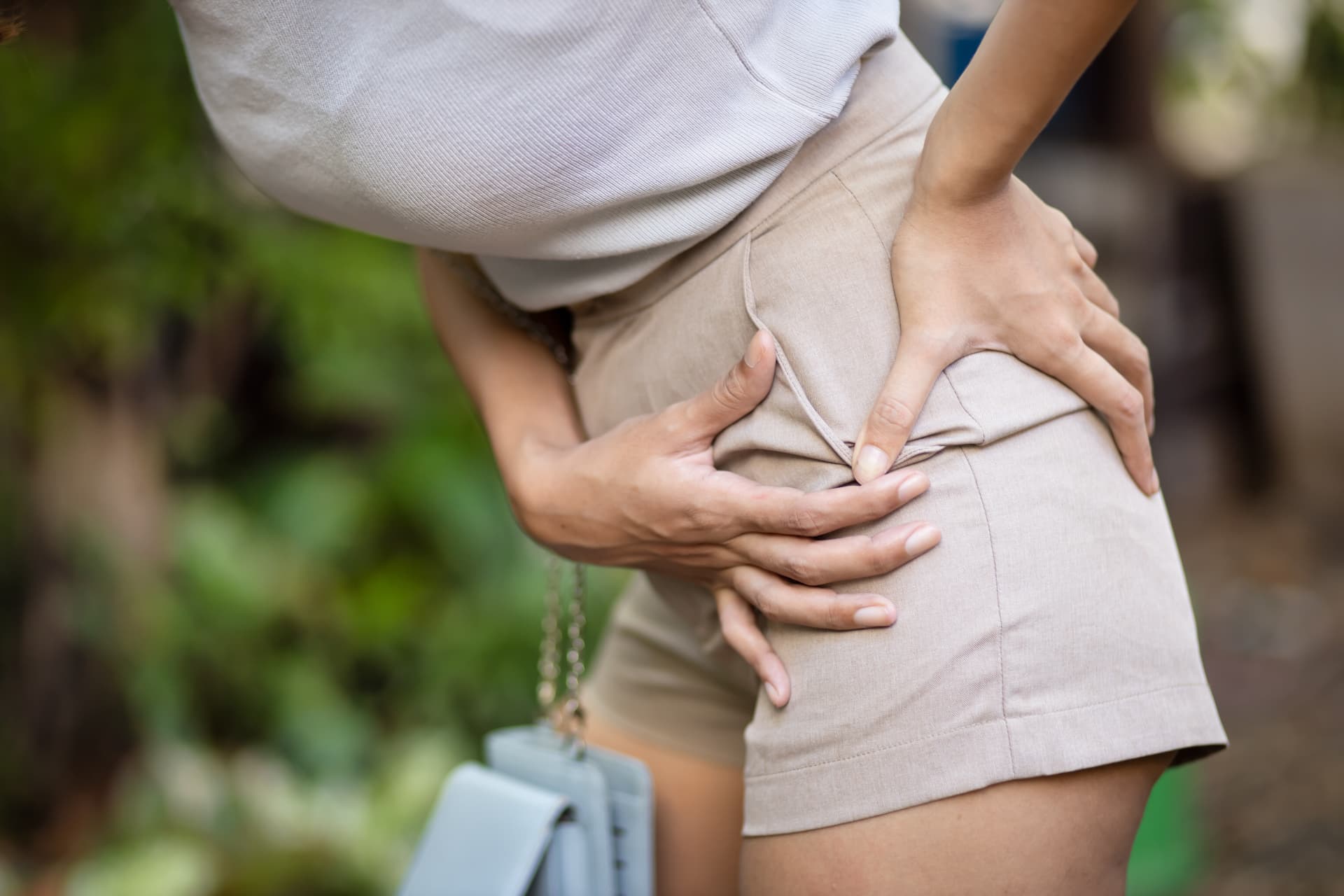
GTPS describes pain around the outside of the hip, near the greater trochanter — the bony prominence you can feel on the side of your upper thigh.
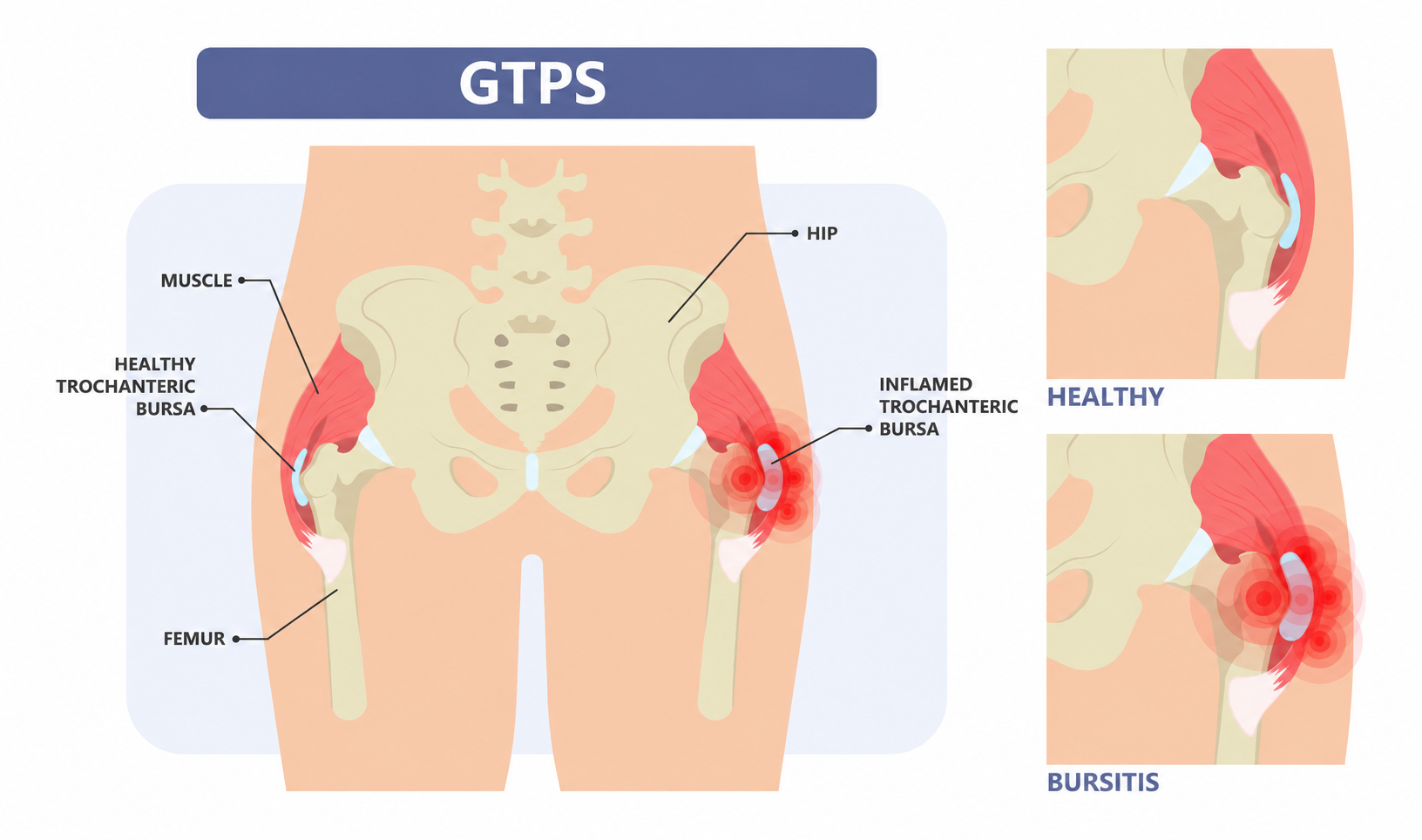
The condition commonly involves the gluteus medius and gluteus minimus tendons. These muscles help control your pelvis and keep it stable during activities such as walking, running and climbing stairs.
Tendons connect muscles to bones and adapt to the loads placed on them. When the demands placed on a tendon exceed its current capacity, it can become painful and sensitive.
A nearby fluid-filled sac called a bursa can also contribute to symptoms. This is why GTPS has historically been called trochanteric bursitis, although the condition is not always primarily a problem with the bursa.
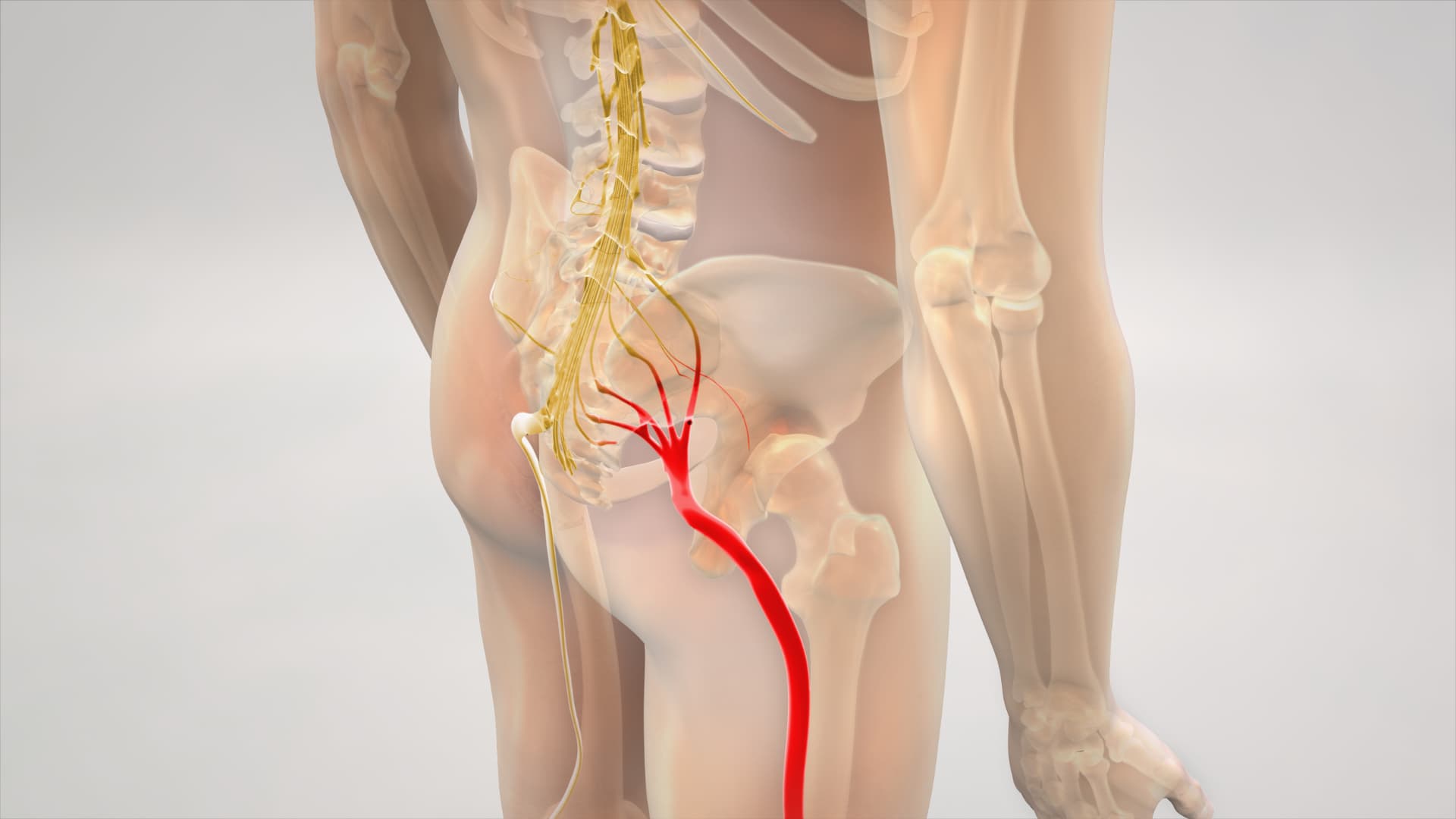
GTPS can sometimes be confused with sciatica or pain originating from the lower back. A clinical assessment can help distinguish between these conditions, as their management may differ.
What causes GTPS?
GTPS often develops when the gluteal tendons are unable to comfortably tolerate the demands placed on them. Symptoms may appear gradually, particularly when activity levels increase or the hip is repeatedly exposed to compressive positions.
Contributing factors can include:
- Changes in activity: increasing walking distance, running volume or stair climbing faster than your body can adapt.
- Hip muscle capacity: reduced strength or load tolerance in the gluteal muscles.
- Tendon compression: positions that press the tendons against the bony prominence of the hip.
- Age-related changes: tendon structure and capacity can change with age.
- Other individual factors: anatomy, body composition and hormonal factors may influence the likelihood of developing symptoms.
GTPS is more common in women, particularly during middle age and later life. However, it can affect people of any sex, age or activity level.
Importantly, GTPS does not necessarily mean that you have damaged your hip through poor movement or weakness. Several factors can contribute to symptoms.
What are the common symptoms of GTPS?
The most characteristic symptom is pain around the outside of the hip. It may remain localised or spread down the outer thigh.
Common symptoms include:
- Pain when lying on the affected side.
- Discomfort when walking or climbing stairs.
- Pain when standing on one leg, such as when getting dressed.
- Tenderness around the bony prominence on the outside of the hip.
- Pain after prolonged sitting or when getting up from a chair.
- Discomfort during running, exercise or prolonged standing.
Some people experience a dull ache, while others notice sharper pain during particular movements.
A common feature is pain when lying on the affected side. However, lying on the opposite side can also aggravate symptoms if the upper leg falls across the body and compresses the affected tendons.
How is GTPS diagnosed?
GTPS is usually diagnosed through a clinical assessment rather than a scan alone.
A physiotherapist will ask about your symptoms, when they started, which activities aggravate them and how they affect your daily life. They may also assess hip strength, movement, walking and your response to specific positions or exercises.
The assessment may include:
- Palpation: checking for tenderness around the greater trochanter.
- Resisted hip abduction: assessing the response of the hip muscles and tendons when pushing the leg outwards against resistance.
- Single-leg loading: observing symptoms when standing on one leg.
- Functional movements: assessing activities such as walking, stepping up and sitting down.
Tests such as FADIR and FABER may also be used when the history or examination suggests that another hip condition needs to be considered. These tests do not diagnose GTPS on their own.
Imaging is not routinely required when the clinical presentation is consistent with GTPS. Ultrasound or MRI may be considered when symptoms are atypical, the diagnosis remains uncertain or symptoms do not improve as expected.
How can physiotherapy help GTPS?
Management generally focuses on reducing aggravating loads initially, then progressively improving the hip's strength and tolerance for everyday activities.
The aim is not to avoid using your hip indefinitely. It is to find a manageable starting point and gradually build your capacity.
1. Manage aggravating activities
You may not need to stop walking or exercising altogether. However, temporarily modifying activities that consistently flare your symptoms can help make rehabilitation more manageable.
Depending on your presentation, this may involve:
- Reducing walking distance or running volume temporarily.
- Breaking up long periods of standing.
- Modifying stair use when symptoms are particularly irritable.
- Avoiding prolonged sitting with your legs crossed.
- Reducing positions that place sustained pressure on the outside of your hip.
The appropriate changes depend on your current symptoms and activity demands. As your tolerance improves, activities can be gradually reintroduced.
2. Reduce compression around the hip
Gluteal tendons can be sensitive to compression, particularly when the hip moves towards the midline of the body.
A few adjustments may help reduce unnecessary irritation:
- Avoid sitting with your legs crossed for prolonged periods.
- When standing, try not to habitually rest your weight on one hip.
- If sitting is uncomfortable, experiment with a chair that allows your hips to sit level with or slightly higher than your knees.
- Avoid allowing the upper leg to fall across your body when lying on your side.
For sleeping, try lying on your back or on the unaffected side with a pillow between your knees to help keep your hips more comfortably aligned. Choose the position that best reduces your symptoms.
These strategies are intended to make symptoms more manageable while you build strength, rather than permanently restricting your movement.
3. Gradually build hip strength and tendon capacity
Progressive strengthening is a central part of managing GTPS.
The gluteal muscles help stabilise the pelvis and control hip movement during everyday activities. Improving their strength and ability to tolerate load can help you gradually return to activities such as walking, running, climbing stairs and exercising.
Rehabilitation should begin at a level that your hip can comfortably tolerate, then progress as your symptoms and capacity improve.
The amount of resistance, frequency of training and difficulty of exercises should be adjusted to your individual presentation. Starting too aggressively may aggravate symptoms, while avoiding loading altogether can limit your ability to rebuild strength.
The goal is to progressively improve the capacity of the gluteal muscles and tendons to manage the demands of your daily activities.
4. Gradually return to your usual activities
Complete rest is rarely a useful long-term strategy for GTPS. Although temporarily reducing aggravating activities may be helpful when symptoms are particularly irritable, prolonged avoidance does not rebuild tendon capacity.
Instead, activity should be modified to a manageable level and gradually increased as your tolerance improves.
For example, if longer walks aggravate your hip, you may initially need to reduce your walking distance before progressively building it back up.
The same principle applies to running, gym training, work and sport. Progression should be guided by your symptoms during activity and how your hip responds afterwards.
The aim is not simply to avoid pain. It is to restore your ability to tolerate the activities that matter to you without repeatedly triggering significant flare-ups.
5. Use manual therapy as an adjunct
Hands-on treatment, massage or other symptom-relieving techniques may help some people manage their pain in the short term.
However, these approaches should complement an active rehabilitation program rather than replace it. Progressive strengthening, appropriate load management and gradual return to activity remain central to improving hip function over time.
How much pain is acceptable during exercise?
Some discomfort during rehabilitation does not automatically mean you are damaging the tendon. However, the amount of pain you experience and how your symptoms respond afterwards are important.
Rather than relying on a universal pain score, consider whether:
- The discomfort remains manageable during the exercise.
- Your symptoms settle reasonably soon after activity.
- Your pain and function are not progressively worsening between sessions.
- You can maintain your normal daily activities without a significant flare-up.
If pain increases substantially, persists or is worse the following day, the exercise load may need to be adjusted.
A physiotherapist can help determine an appropriate level of discomfort and progression for your particular presentation.
Can GTPS be prevented?
GTPS cannot always be prevented, but several strategies may help you manage the loads placed on your hips:
- Build walking, running and exercise volume gradually.
- Maintain regular hip and lower-limb strengthening.
- Avoid sudden increases in activity when your current capacity is limited.
- Address persistent symptoms early rather than repeatedly pushing through significant flare-ups.
- Modify positions that consistently aggravate your hip when symptoms are present.
The aim is to maintain the strength and capacity needed for your usual activities while allowing enough recovery between demanding sessions.
When should you seek further assessment?
Consider an assessment if your hip pain persists, disturbs your sleep, limits walking or exercise, or does not improve with appropriate activity modification.
Not all pain on the outside of the hip is caused by GTPS. Lower back conditions, hip joint problems and other causes of pain can produce overlapping symptoms.
A thorough examination can help identify the likely source of your symptoms and determine whether further investigation is needed.
How NeoPhysio can help
At NeoPhysio, assessment focuses on understanding your symptoms, identifying the activities and positions that aggravate them, and developing a rehabilitation plan suited to your goals.
Treatment may involve education, activity modification, progressive strengthening and guidance on returning to walking, running, work or sport.
The goal is to help you improve your hip's capacity and return to the activities you enjoy, rather than relying solely on short-term pain relief.
Experiencing hip pain?
If persistent hip pain is affecting your daily life, a physiotherapy assessment can help you understand your options and plan the next steps in your recovery.
NeoPhysio provides hip pain physiotherapy in Canberra, with appointments at Florey Medical Centre, 19 Kesteven Street, Florey ACT 2615. Phone 0494 573 722.
Book an appointment with Adam at NeoPhysio to discuss your symptoms and find out whether physiotherapy may be appropriate for you.
Articles
Explore more helpful articles from NeoPhysio.
Back Pain & Musculoskeletal Physiotherapy
Sciatica: Why Does Back Pain Travel Down Your Leg?
Learn the difference between referred leg pain, radicular pain and radiculopathy, and when back-related leg symptoms need assessment.
Back Pain & Musculoskeletal Physiotherapy
Acute Low Back Pain: Causes, Recovery and When You Need a Scan
Learn why sudden low back pain can be severe, when imaging may be needed and how physiotherapy can support recovery.