
Dizziness & Vestibular Physiotherapy
BPPV: What It Is, Risk Factors and How Physiotherapy Can Help
By Adam Neou, Physiotherapist ·
Benign paroxysmal positional vertigo, commonly known as BPPV, is one of the most common causes of vertigo. It can cause sudden episodes of spinning or dizziness when you move your head into certain positions, such as rolling over in bed, looking up or getting out of bed.
The good news is that BPPV can often be treated effectively with specific repositioning techniques.
At NeoPhysio, physiotherapy can help assess whether your symptoms are consistent with BPPV and, when appropriate, provide treatment to help resolve the problem.
What is BPPV?
BPPV occurs when tiny calcium crystals in the inner ear, called otoconia, become displaced and move into one of the semicircular canals.
The semicircular canals help your brain sense movement of your head. When these crystals move through a canal, they can send incorrect signals to your brain, creating the sensation that you or your surroundings are spinning.
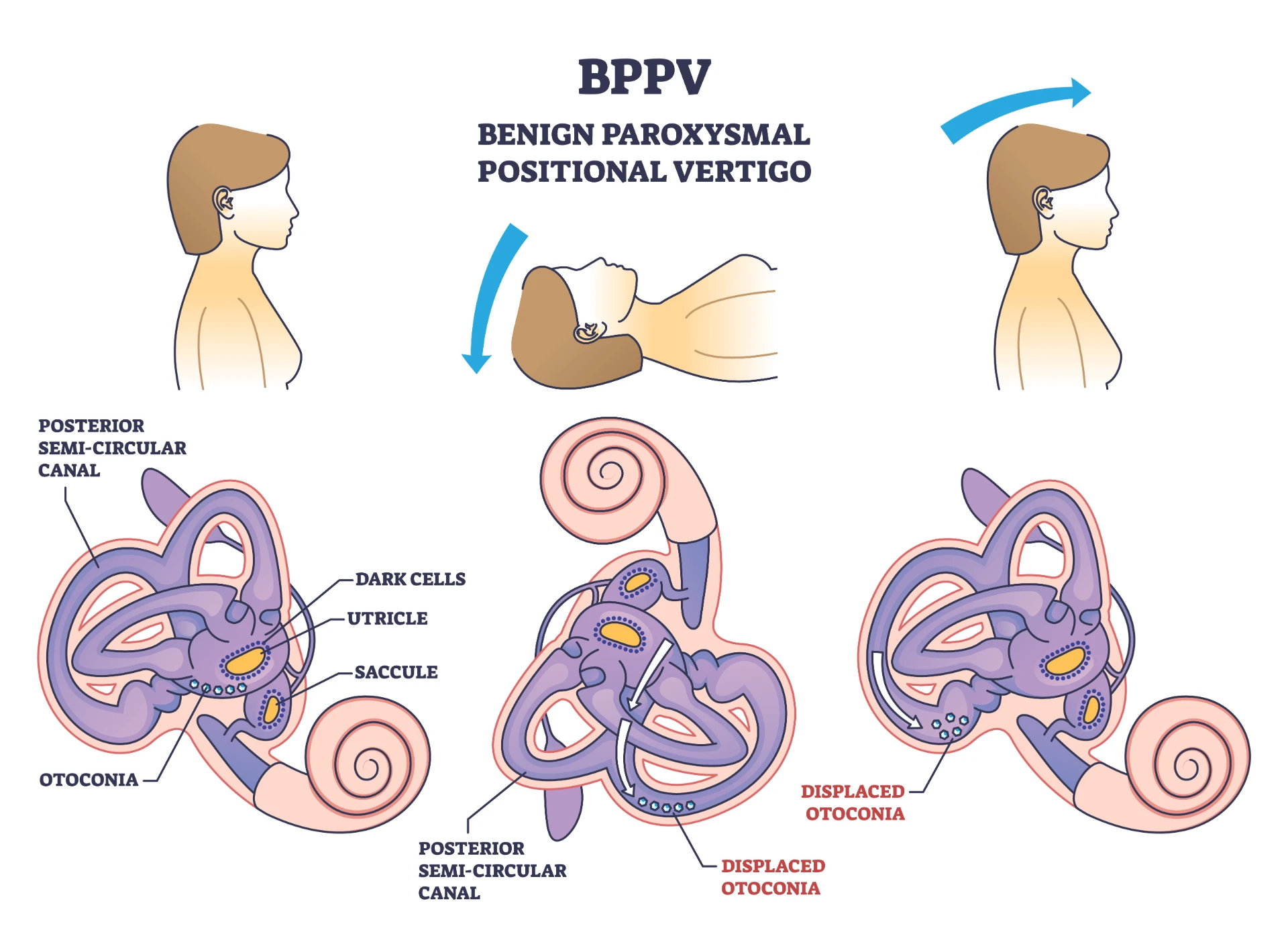
BPPV typically causes short episodes of vertigo triggered by changes in head position.
Common triggers include:
- Rolling over in bed
- Lying down or sitting up
- Looking upwards
- Bending forwards
- Turning your head
The spinning sensation is usually brief, often lasting less than a minute, although some people may feel unsteady or off-balance afterwards.
Not all dizziness is caused by BPPV. Other inner-ear, neurological and medical conditions can cause dizziness or balance problems, which is why assessment is important.
How common is BPPV?
BPPV is very common and is considered one of the most common vestibular disorders in adults.
Research has estimated that around 2.4% of people experience BPPV at some point during their lifetime. BPPV can occur at any age, but it becomes more common as people get older.
Although the episodes themselves are usually brief, BPPV can affect confidence, mobility and day-to-day activities, particularly when dizziness or imbalance makes movements such as getting out of bed or walking more difficult.
Risk factors for BPPV
BPPV can affect anyone, and sometimes there is no obvious cause. Factors associated with an increased risk include:
- Age, particularly over 50
- Previous head injury
- Migraine
- Osteoporosis
- Low vitamin D levels
- Previous inner-ear or vestibular disorders
Having one of these risk factors does not necessarily mean you will develop BPPV.
How is BPPV diagnosed?
An assessment is important because not all dizziness is BPPV.
A physiotherapist will usually begin by asking about your symptoms, including:
- What the dizziness feels like
- What movements trigger it
- How long the episodes last
- Whether you have balance problems between episodes
Where appropriate, positional tests may then be used to assess for BPPV. These tests can help determine whether BPPV is present and which side and semicircular canal may be involved.
For example, the Dix-Hallpike test is commonly used when posterior-canal BPPV is suspected, while a supine roll test may be used when horizontal-canal BPPV is suspected.
If your symptoms do not fit the typical pattern of BPPV, further medical assessment may be recommended.
How is BPPV treated?
The main treatment for BPPV is called a canalith repositioning manoeuvre.
These are specific movements of the head and body designed to move the displaced crystals out of the semicircular canal.
The Epley manoeuvre is one of the most commonly used treatments for posterior-canal BPPV. The most appropriate manoeuvre depends on which ear and which semicircular canal are affected.
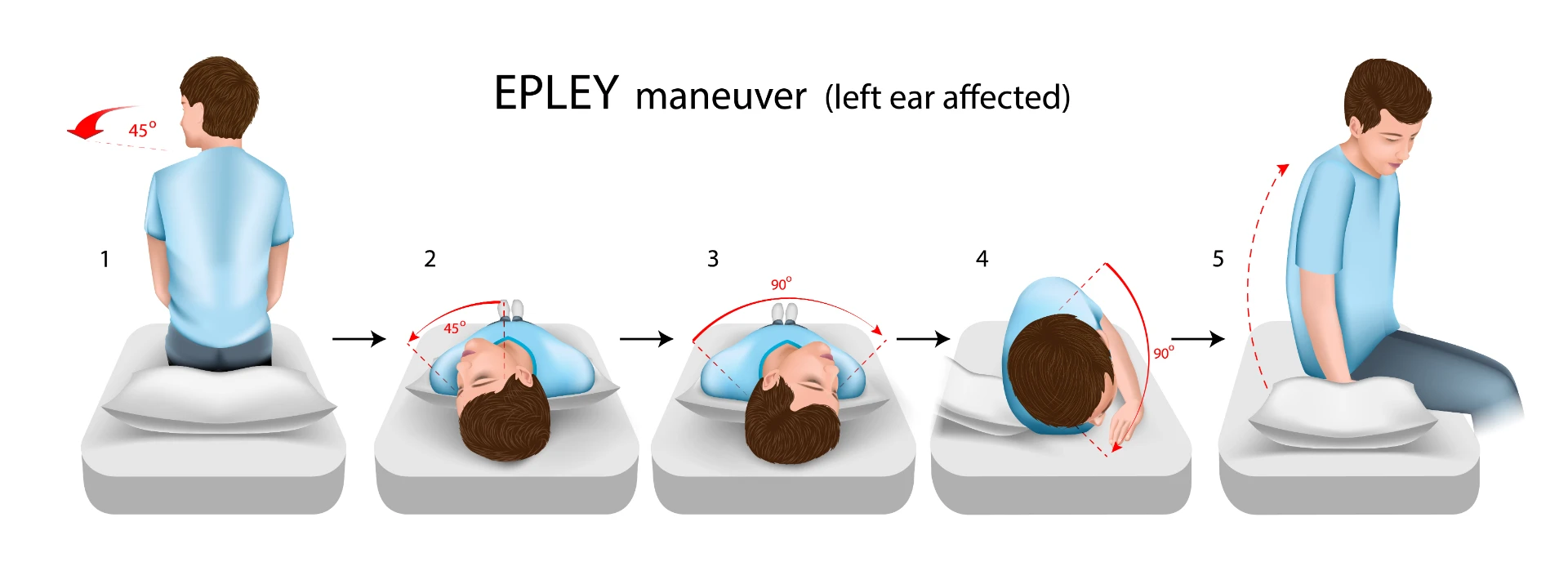
Some people improve after one treatment, while others may require reassessment and further treatment.
The aim is to accurately identify the affected canal and use the appropriate repositioning technique rather than simply treating all dizziness in the same way.
How can NeoPhysio help with BPPV?
At NeoPhysio, Adam can assess dizziness and balance symptoms to determine whether they are consistent with BPPV and whether physiotherapy is appropriate. Appointments are held at Florey Medical Centre in Florey, north Canberra.
Assessment and treatment may include:
- A detailed history of your dizziness
- Positional testing where appropriate
- Identifying the likely affected side and semicircular canal
- Canalith repositioning manoeuvres where indicated
- Reassessment following treatment
- Advice regarding ongoing dizziness, balance and return to normal activities
If your symptoms do not fit the typical pattern of BPPV, or if another cause of dizziness is suspected, you may be referred for further medical assessment.
When should you see a physiotherapist for dizziness?
Consider an assessment if you experience:
- Spinning when rolling over in bed
- Dizziness when lying down or sitting up
- Vertigo when looking up or bending down
- Recurrent episodes of positional dizziness
- Ongoing imbalance after an episode of vertigo
A physiotherapy assessment can help determine whether your symptoms are consistent with BPPV or whether another cause should be considered.
Experiencing dizziness or spinning when you move your head?
At NeoPhysio, we provide physiotherapy assessment and treatment for BPPV and other vestibular presentations in Canberra.
If you're experiencing positional dizziness, spinning or balance problems, an assessment can help determine what may be causing your symptoms and whether physiotherapy is appropriate.
Articles
Explore more helpful articles from NeoPhysio.

Headache & Neck Physiotherapy
Neck Pain: Causes, Symptoms & How Physiotherapy Can Help
Learn common causes of neck pain, how it can relate to headaches, jaw pain and dizziness, when nerves may be involved and how physiotherapy can help.
Headache & Neck Physiotherapy
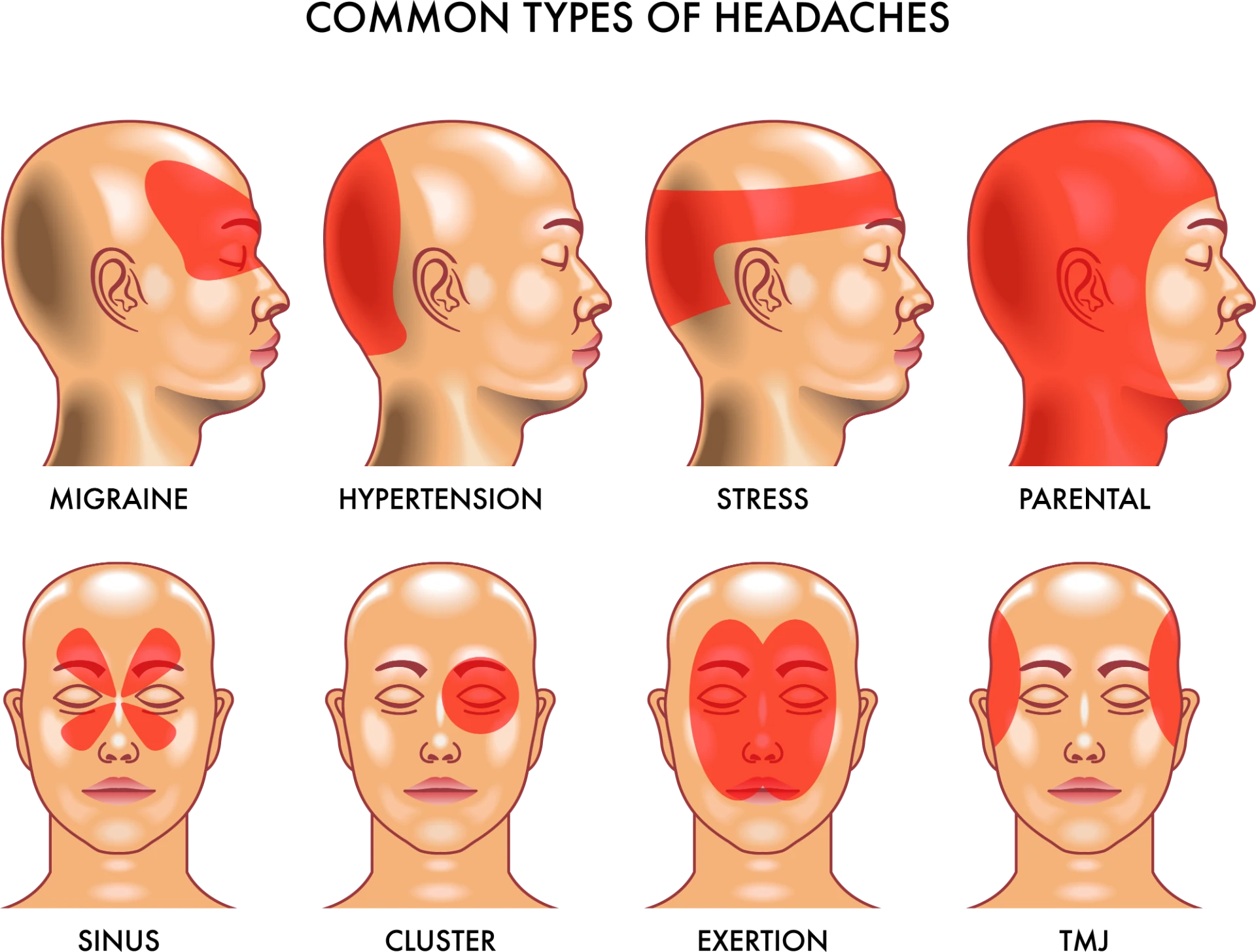
Headaches: Can Physiotherapy Help?
Learn when the neck or jaw may contribute to headaches, how headaches are assessed and when physiotherapy may or may not be appropriate.
Jaw & TMD Physiotherapy
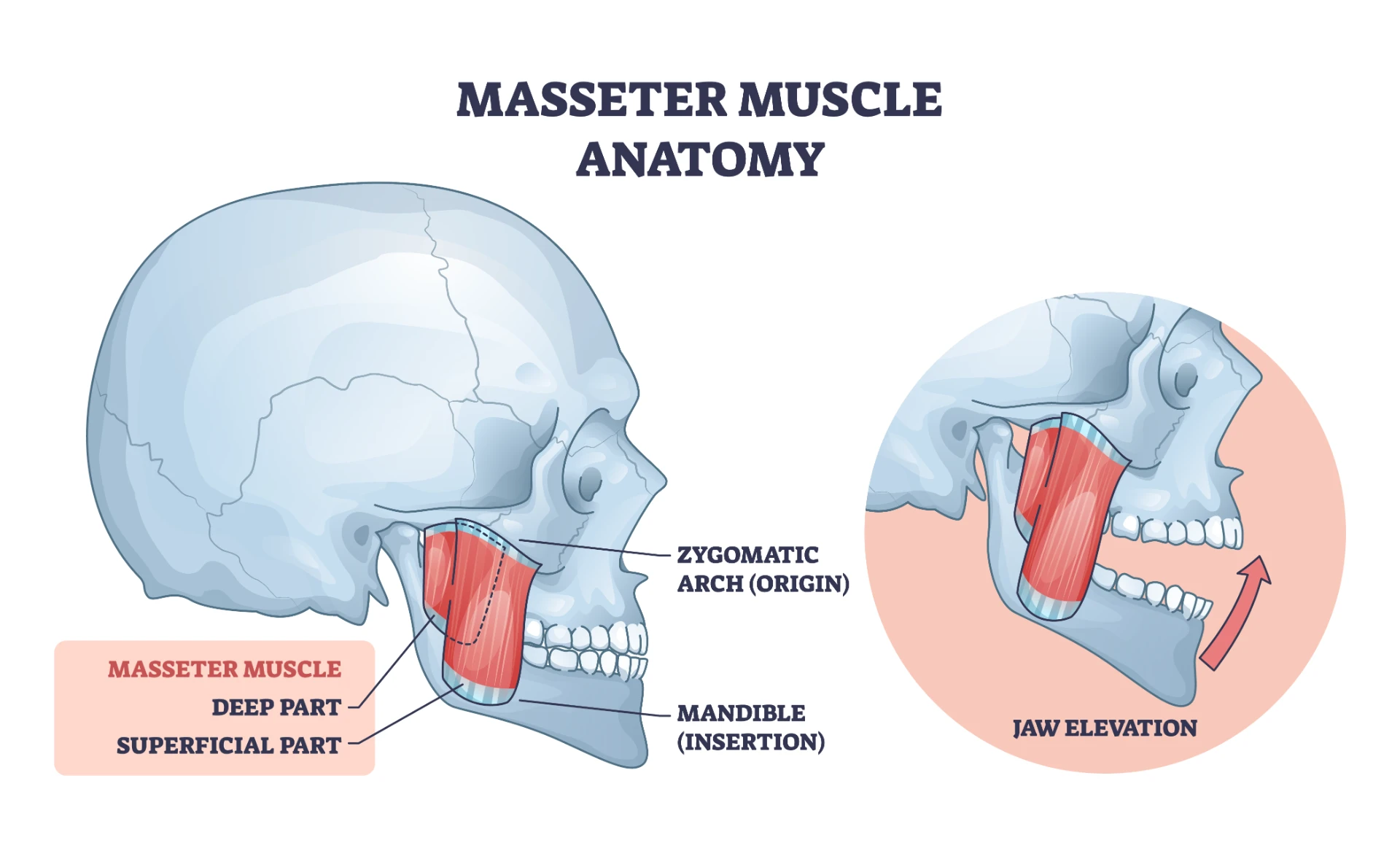
Jaw Pain (TMD): Causes, Symptoms and How Physiotherapy Can Help
Learn about jaw pain and temporomandibular disorders (TMD), common symptoms and causes, and how physiotherapy can help.