Jaw & TMD Physiotherapy
Jaw Pain (TMD): Causes, Symptoms and How Physiotherapy Can Help
By Adam Neou, Physiotherapist ·
Jaw pain can make everyday activities like eating, talking and yawning uncomfortable. Some people also experience jaw pain alongside headaches, facial pain or neck pain.
A common group of conditions that can cause these symptoms is called temporomandibular disorders (TMD). TMD can affect the jaw joint, the muscles used for chewing, or both.
Many TMD problems can be managed with conservative treatments such as education, exercise and physiotherapy.
What is TMD?
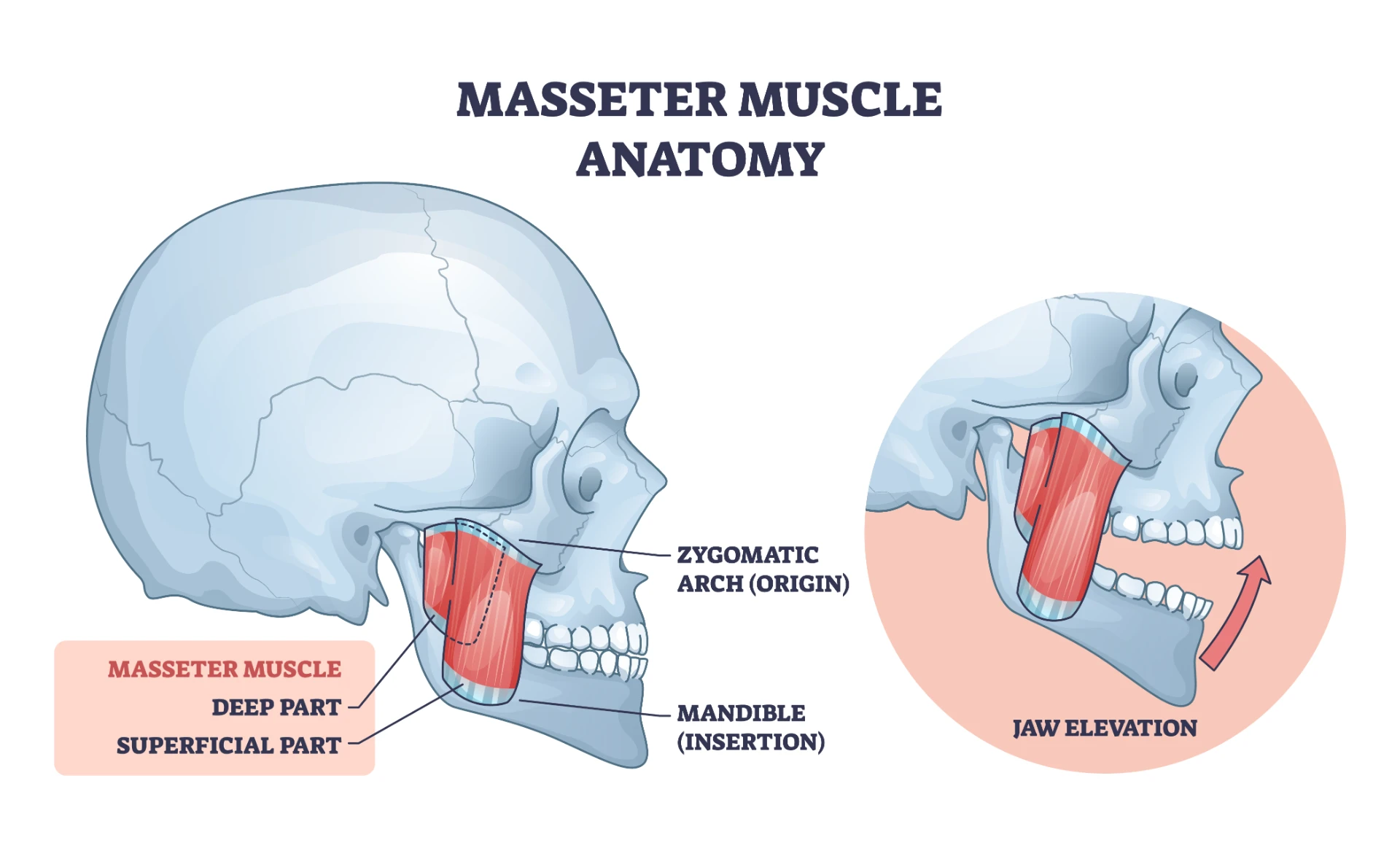
Temporomandibular disorders (TMD) are a group of conditions that affect the jaw joint and/or the muscles that control jaw movement.
The temporomandibular joint (TMJ) is the anatomical joint connecting your lower jaw to your skull. You have one TMJ on each side of your face, just in front of your ears.
TMD can involve the jaw joint, the chewing muscles, or both. Some types of TMD can also be associated with headaches.
TMJ and TMD are sometimes used interchangeably, but they are not the same thing. TMJ refers to the joint, while TMD refers to the conditions affecting the joint and surrounding structures.
What are the symptoms of TMD?
Symptoms can vary from person to person. Common symptoms include:
- Pain around the jaw or in front of the ear
- Pain when chewing or opening your mouth
- Jaw stiffness
- Difficulty opening your mouth fully
- Tenderness around the jaw muscles
- Painful clicking or popping
- Jaw locking or catching
- Facial or temple pain
- Headaches associated with jaw symptoms
Is jaw clicking normal?
Jaw clicking does not always mean there is a problem.
Clicking and popping sounds are common, and if they occur without pain or restricted movement, they generally do not require treatment.
Pain, locking or difficulty moving the jaw is more relevant when deciding whether an assessment is needed.
Why does my jaw click or lock?
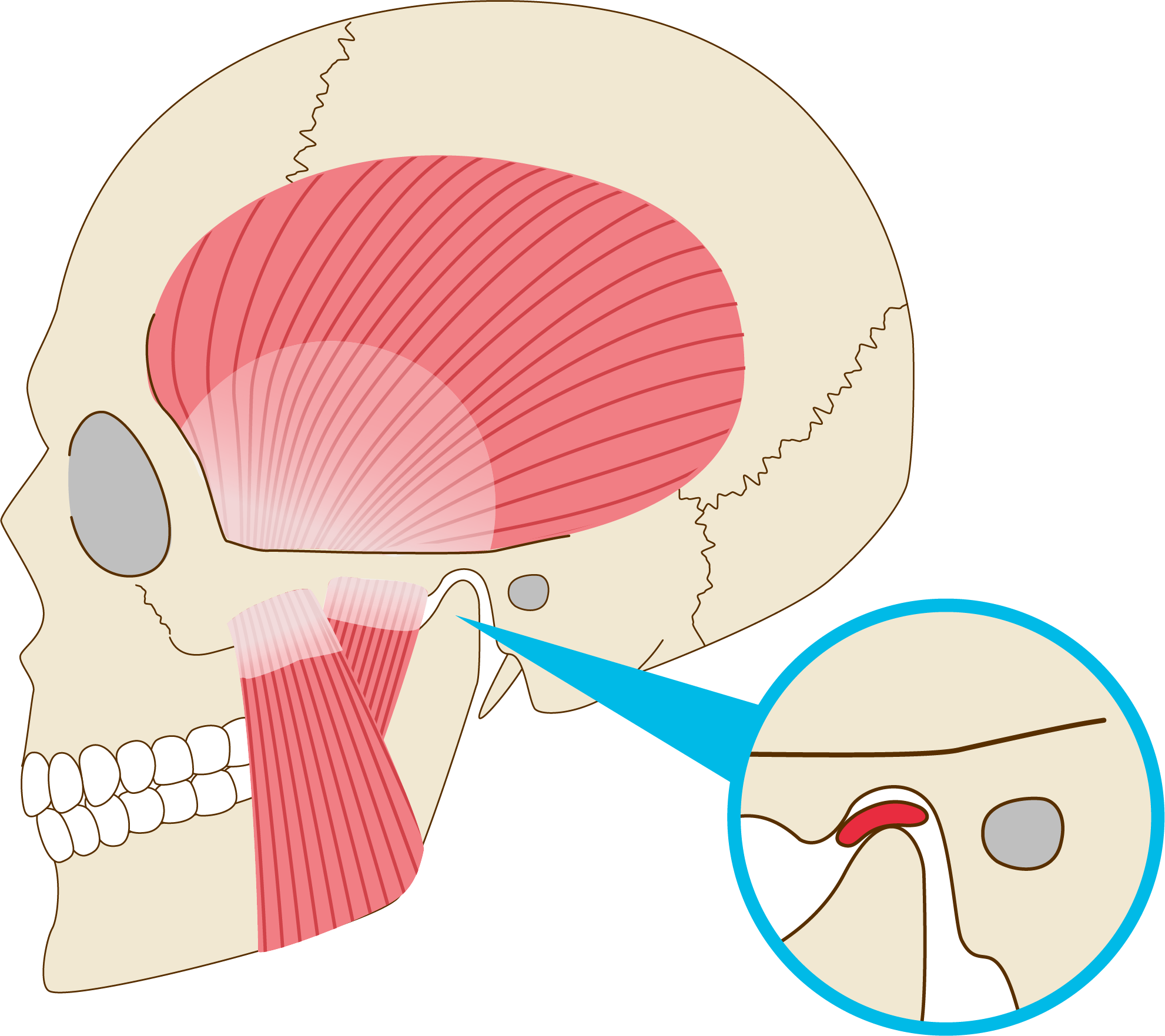
Inside the TMJ is a small articular disc that sits between the lower jawbone (mandible) and the skull. The disc helps the joint move smoothly.
In some people, the disc can sit slightly forward of its usual position when the mouth is closed and then move back into position as the jaw opens. This is called disc displacement with reduction and can produce a clicking or popping sound.
A click on its own does not necessarily mean there is a problem.
Jaw locking is different. In some cases, the disc does not move back into its normal position during opening. This is called disc displacement without reduction and can cause difficulty opening the mouth or episodes of locking.
Clicking does not automatically mean there is damage, and not everyone who clicks will go on to develop locking.
What causes jaw pain?
There is often no single cause of TMD.
Symptoms can develop from a combination of factors, and in many cases the exact cause is unclear.
Factors that may contribute include:
- Jaw clenching or teeth grinding (bruxism)
- Stress and increased muscle tension
- Poor sleep
- Previous jaw or facial injury
- Headaches or migraine
- Neck pain
These factors may contribute to symptoms without necessarily being the sole cause.
How common is TMD?
TMD is common and can affect people of different ages.
Around 5% of adults in the United States are estimated to have TMD, although estimates vary depending on how the condition is defined and assessed.
For many people, symptoms are temporary and settle over time. Others may experience ongoing or recurring jaw pain.
How is TMD diagnosed?
Assessment usually starts with understanding your symptoms and how they affect your jaw.
Your physiotherapist may ask about:
- Where you feel your pain
- What makes it better or worse
- Jaw clicking or locking
- How well you can open and move your jaw
- Jaw clenching or grinding
- Headaches
- Neck pain
- Previous injuries or dental treatment
Your jaw, face and neck may then be assessed for movement, muscle tenderness and function.
Because facial and jaw pain can have different causes, your dentist or GP may also need to assess your symptoms if further investigation is appropriate.
How is jaw pain treated?
Treatment depends on the type of TMD and what is contributing to your symptoms.
For many people, treatment starts with simple, conservative approaches, such as:
- Education about the condition
- Reducing habits such as jaw clenching
- Jaw exercises
- Movement and control exercises
- Self-management strategies
- Manual therapy
- Addressing associated neck pain or headaches
There is no single treatment that is right for everyone. Management should be tailored to your symptoms.
Can physiotherapy help with TMD?
Yes.
Physiotherapy can be helpful for some people with TMD, particularly when symptoms involve the jaw muscles, jaw movement, or associated neck and headache symptoms.
Treatment may include education, exercises and hands-on treatment. The aim is to improve jaw function, manage contributing factors and help reduce pain.
Jaw pain and headaches
Jaw pain and headaches can occur together.
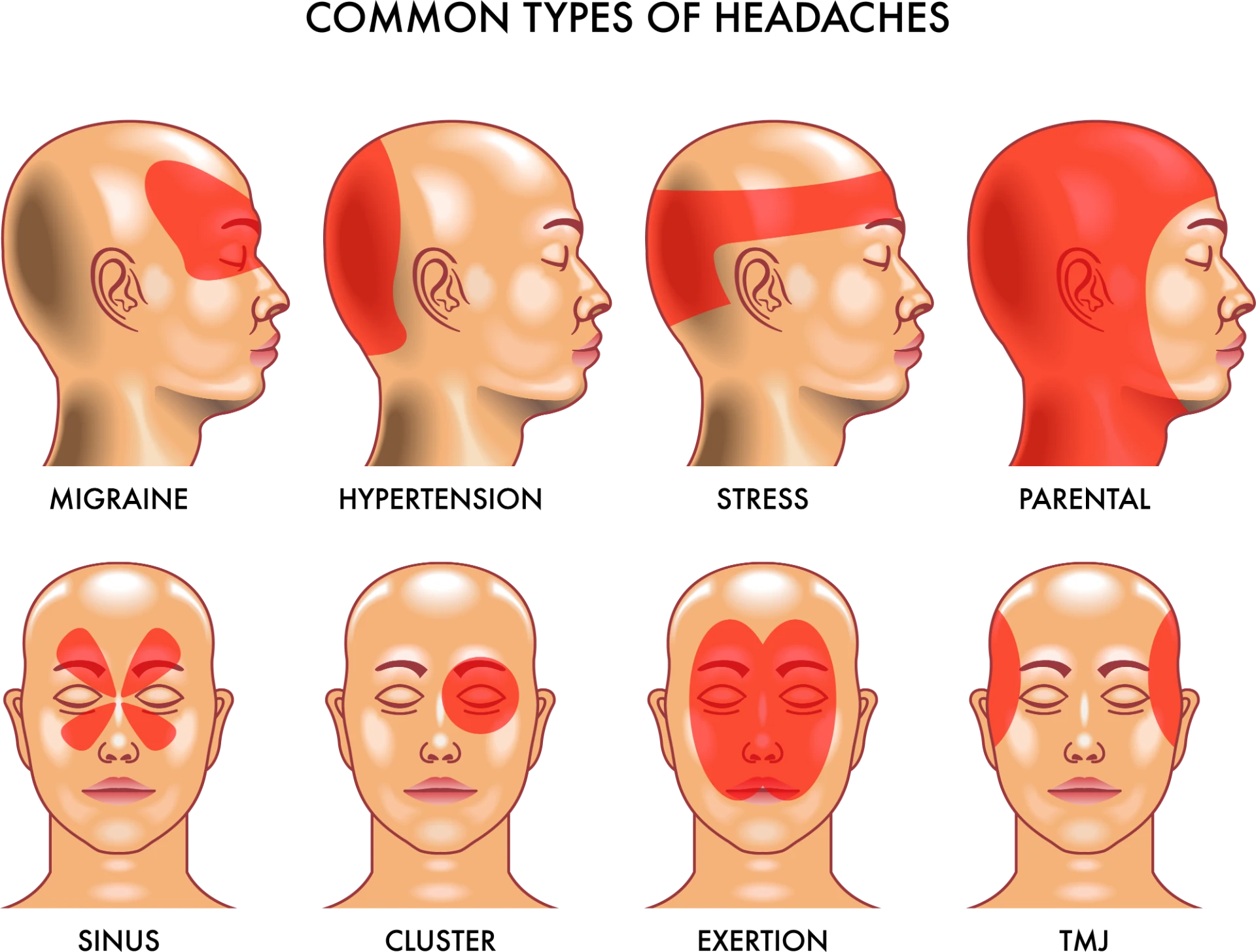
Some people notice pain around the temples or side of the head alongside jaw pain, muscle tenderness or clenching.
However, not every headache is caused by the jaw. An assessment can help determine whether the jaw, neck or surrounding muscles may be contributing to your symptoms.
How can NeoPhysio help with jaw pain?
At NeoPhysio, Adam provides physiotherapy assessment and treatment for jaw pain, TMD and related headache and neck symptoms in Canberra. Appointments are held at Florey Medical Centre in Florey, north Canberra.
Your assessment may include:
- Jaw and neck movement
- Assessment of the jaw and chewing muscles
- TMJ assessment
- Identification of aggravating factors
- Exercise and self-management advice
- Manual therapy where appropriate
Physiotherapy can also work alongside your dentist or other healthcare professionals when appropriate.
The aim is to understand what may be contributing to your symptoms and develop a practical treatment plan tailored to you.
When should you seek help for jaw pain?
Consider an assessment if you have:
- Persistent jaw pain
- Pain when chewing or opening your mouth
- Difficulty moving your jaw normally
- Painful clicking or popping
- Recurrent jaw locking
- Jaw symptoms associated with headaches or neck pain
Not all jaw or facial pain is caused by TMD, so an appropriate assessment is important.
Experiencing jaw pain?
Jaw pain can have a number of contributing factors. Getting the right assessment is an important first step.
NeoPhysio provides physiotherapy for jaw pain, TMD and related headache and neck symptoms in Canberra.
Book an appointment with Adam at NeoPhysio to discuss your symptoms and find out whether physiotherapy may be appropriate for you.
Articles
Explore more helpful articles from NeoPhysio.

Headache & Neck Physiotherapy
Neck Pain: Causes, Symptoms & How Physiotherapy Can Help
Learn common causes of neck pain, how it can relate to headaches, jaw pain and dizziness, when nerves may be involved and how physiotherapy can help.
Headache & Neck Physiotherapy
Headaches: Can Physiotherapy Help?
Learn when the neck or jaw may contribute to headaches, how headaches are assessed and when physiotherapy may or may not be appropriate.

Shoulder & Musculoskeletal Physiotherapy
Rotator Cuff-Related Shoulder Pain: Causes, Symptoms & Treatment
Learn common symptoms and causes of rotator cuff-related shoulder pain, what scan findings mean and why gradually reloading the shoulder helps recovery.