
Shoulder & Musculoskeletal Physiotherapy
Rotator Cuff-Related Shoulder Pain: Causes, Symptoms & Treatment
By Adam Neou, Physiotherapist ·
Shoulder pain is common and can make everyday activities such as lifting, reaching, exercising or sleeping uncomfortable.
One common cause is rotator cuff-related shoulder pain.
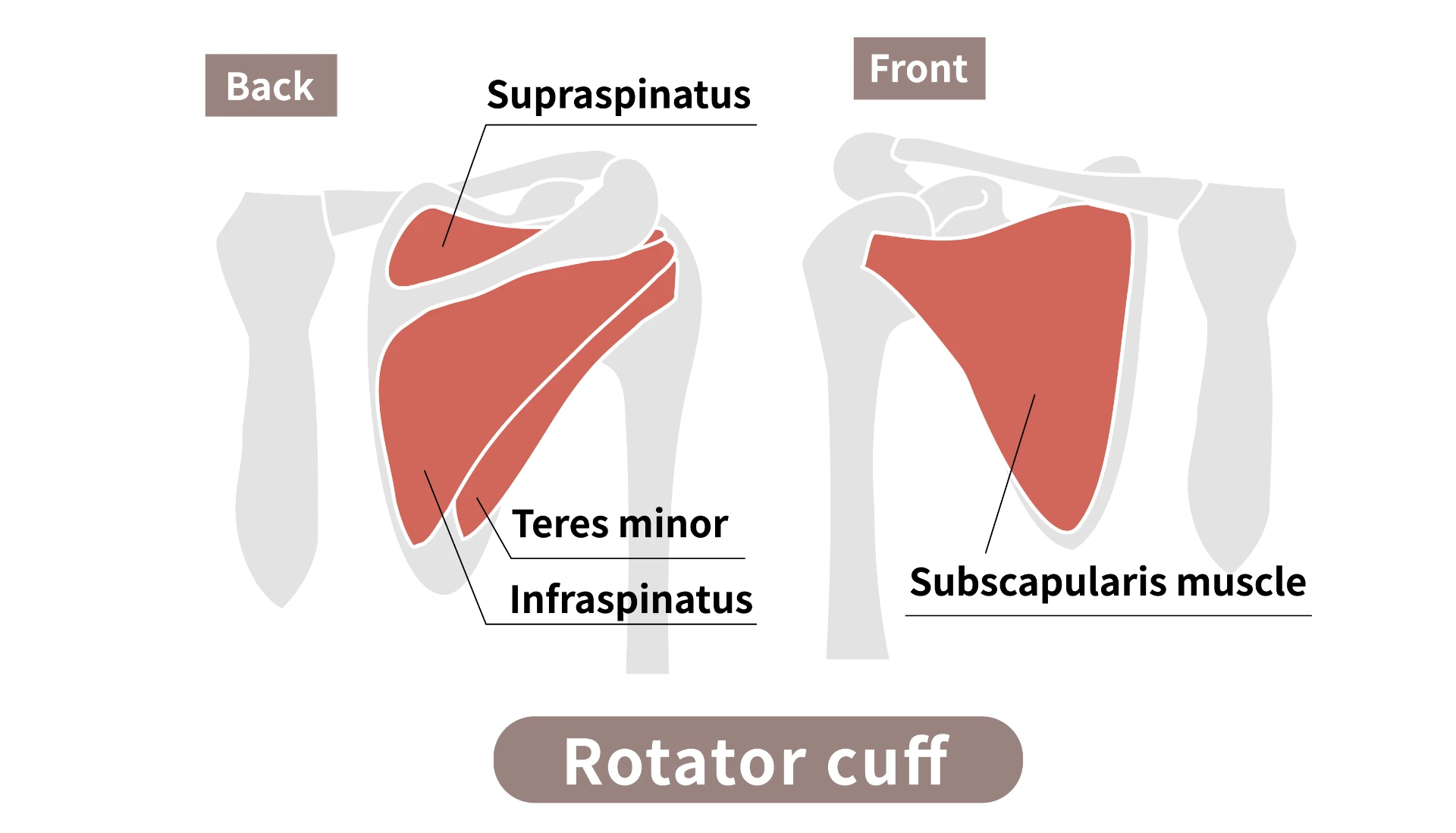
The rotator cuff is a group of four muscles and their tendons that help control movement and stability of the shoulder.
Rotator cuff-related shoulder pain can develop gradually or after an increase in activity, such as starting a new gym program, returning to sport or doing more overhead work.
Importantly, shoulder pain does not automatically mean you have a torn tendon.

What is rotator cuff-related shoulder pain?
The rotator cuff is made up of four muscles:
- Supraspinatus.
- Infraspinatus.
- Teres minor.
- Subscapularis.
Together, these muscles help control the movement of the shoulder and contribute to its stability.
Rotator cuff-related shoulder pain can occur when the shoulder is exposed to more load than it is currently able to tolerate.
This does not necessarily mean that something has been damaged.
What does rotator cuff-related shoulder pain feel like?
Symptoms can vary, but you may notice:
- Pain when lifting your arm.
- Pain reaching overhead or behind your back.
- Pain when putting on a shirt or reaching for something.
- Discomfort when lying on the affected shoulder.
- Shoulder pain at night.
- Reduced strength or confidence using the arm.
- Pain that is worse after an increase in activity.
The pain is often felt around the outside or front of the shoulder and upper arm.
Is clicking in the shoulder normal?
Clicking or popping in the shoulder is common with rotator cuff-related shoulder pain.
When the rotator cuff is painful or not controlling shoulder movement as effectively, the way the shoulder moves can change. This can sometimes result in clicking, popping or other noises during movement.
Although the sound can be concerning, clicking does not automatically mean that something is being damaged.
If clicking occurs alongside shoulder pain, weakness or changes in movement, it can be useful to have the shoulder assessed.
However, the noise itself is generally not something you need to be worried about.
The aim of treatment is to improve the shoulder's strength, control and tolerance to movement rather than trying to eliminate every click or sound.
What causes rotator cuff-related shoulder pain?
The shoulder is designed to move through a large range of motion, and the rotator cuff is regularly exposed to load.
Pain can develop when the capacity of the shoulder is exceeded by the demands being placed on it.
This may happen after:
- A sudden increase in gym or sporting activity.
- Repeated overhead movements.
- Returning to activity after a period of reduced exercise.
- Changes in work or physical activity.
- A fall or other injury.
Age-related changes in the rotator cuff tendons are also common and do not necessarily cause pain.
Does shoulder pain mean I have a rotator cuff tear?
Not necessarily.
Rotator cuff tears can occur, but a tear seen on an ultrasound or MRI does not automatically mean it is the cause of your pain.
Rotator cuff changes become more common with age.
Degenerative tears can sometimes be seen on scans in people who have no history of a specific injury and may have little or no shoulder pain.
Finding a degenerative tear on a scan can therefore be an expected age-related finding and does not necessarily mean that your shoulder is damaged or that you need surgery.
This is why scan findings need to be considered alongside your symptoms, strength, movement and activity history.
A larger tear may cause more significant weakness, particularly if it occurs after an injury. This may require further medical assessment.
How is shoulder pain assessed?
A physiotherapy assessment looks at how your shoulder functions rather than relying on a single test.

Your physiotherapist may assess:
- Shoulder movement.
- Strength of the shoulder and surrounding muscles.
- Pain during different movements.
- Your ability to perform everyday activities.
- Your recent changes in exercise, work or sport.
- Your neck and upper back where relevant.
The assessment helps determine what may be contributing to your symptoms and how your shoulder can be progressively loaded.
Do I need an MRI or ultrasound?
Not everyone with shoulder pain needs imaging.
Scans can show tendon changes, bursitis and rotator cuff tears, but these findings need to be interpreted alongside your symptoms and physical examination.
Imaging may be useful when there has been significant trauma, substantial weakness, symptoms that are not improving as expected or when the result would change management.
Your physiotherapist or doctor can help determine whether imaging is appropriate.
How can physiotherapy help?
The main focus of treatment is usually progressive rehabilitation.
Gradually reloading the shoulder
It can sound counterintuitive, but a painful shoulder often needs to be gradually reloaded as part of recovery.
Rest can be useful when symptoms are highly irritable, but prolonged avoidance of activity does not necessarily help the shoulder regain its strength and capacity.
Instead, rehabilitation involves gradually exposing the shoulder to increasing amounts of load as your symptoms allow.
This might start with relatively simple movements and exercises before progressing towards heavier resistance, overhead activity, work tasks or sport-specific movements.
The aim is to help your shoulder become stronger and more tolerant of the activities you need and want to do.
You may still experience some discomfort during rehabilitation.
This does not automatically mean that you are damaging the shoulder.
Your physiotherapist can help determine an appropriate level of loading and how to progress it.
Managing activity
You do not necessarily need to stop using your shoulder.
Instead, your physiotherapist can help you temporarily modify activities that significantly aggravate your symptoms while maintaining as much normal movement and activity as possible.
The goal is not simply to rest the shoulder until it stops hurting. The goal is to gradually build its capacity so you can return to the activities you want to do.
Exercise
Exercise can help improve shoulder strength, capacity and confidence.
Your program may include exercises for the rotator cuff, shoulder blade and surrounding muscles, with the amount of resistance gradually increased as your shoulder tolerates it.
There is no single exercise that is right for everyone.
Manual therapy
Hands-on treatment may sometimes be used to help manage pain and improve movement.
It is generally used alongside exercise and active rehabilitation rather than as the sole treatment.
What if I have a rotator cuff tear?
A rotator cuff tear does not automatically mean you need surgery.
Many people with rotator cuff tears can be managed initially with appropriate rehabilitation, depending on the severity of the tear, symptoms, strength and individual goals.
However, significant weakness following an injury, particularly if you suddenly cannot lift your arm normally, should be assessed by a healthcare professional.
Further medical assessment and imaging may be appropriate in some cases.
How NeoPhysio can help
At NeoPhysio, shoulder pain is assessed based on your symptoms, movement, strength and the demands you place on your shoulder.
Treatment focuses on helping you understand your pain, manage your activity and progressively rebuild your shoulder's strength and capacity.
Whether your goal is returning to the gym, sport, work or everyday activities, your rehabilitation can be tailored to what matters to you.
Experiencing shoulder pain?
Shoulder pain can have a number of contributing factors. Getting the right assessment is an important first step.
NeoPhysio provides shoulder pain physiotherapy in Canberra, with appointments at Florey Medical Centre, 19 Kesteven Street, Florey ACT 2615. Phone 0494 573 722.
Book an appointment with Adam at NeoPhysio to discuss your symptoms and find out whether physiotherapy may be appropriate for you.
Articles
Explore more helpful articles from NeoPhysio.

Headache & Neck Physiotherapy
Neck Pain: Causes, Symptoms & How Physiotherapy Can Help
Learn common causes of neck pain, how it can relate to headaches, jaw pain and dizziness, when nerves may be involved and how physiotherapy can help.
Headache & Neck Physiotherapy
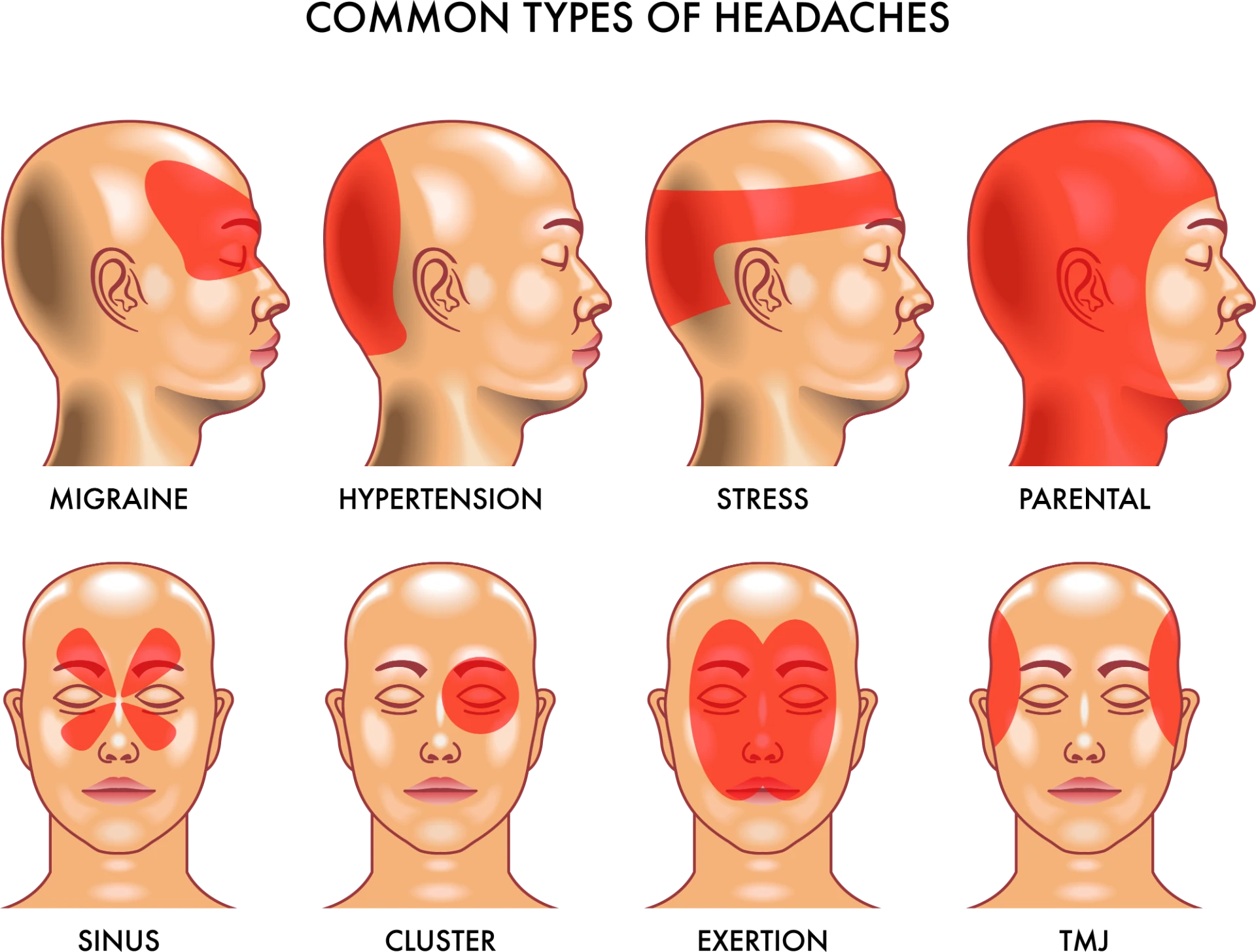
Headaches: Can Physiotherapy Help?
Learn when the neck or jaw may contribute to headaches, how headaches are assessed and when physiotherapy may or may not be appropriate.
Jaw & TMD Physiotherapy
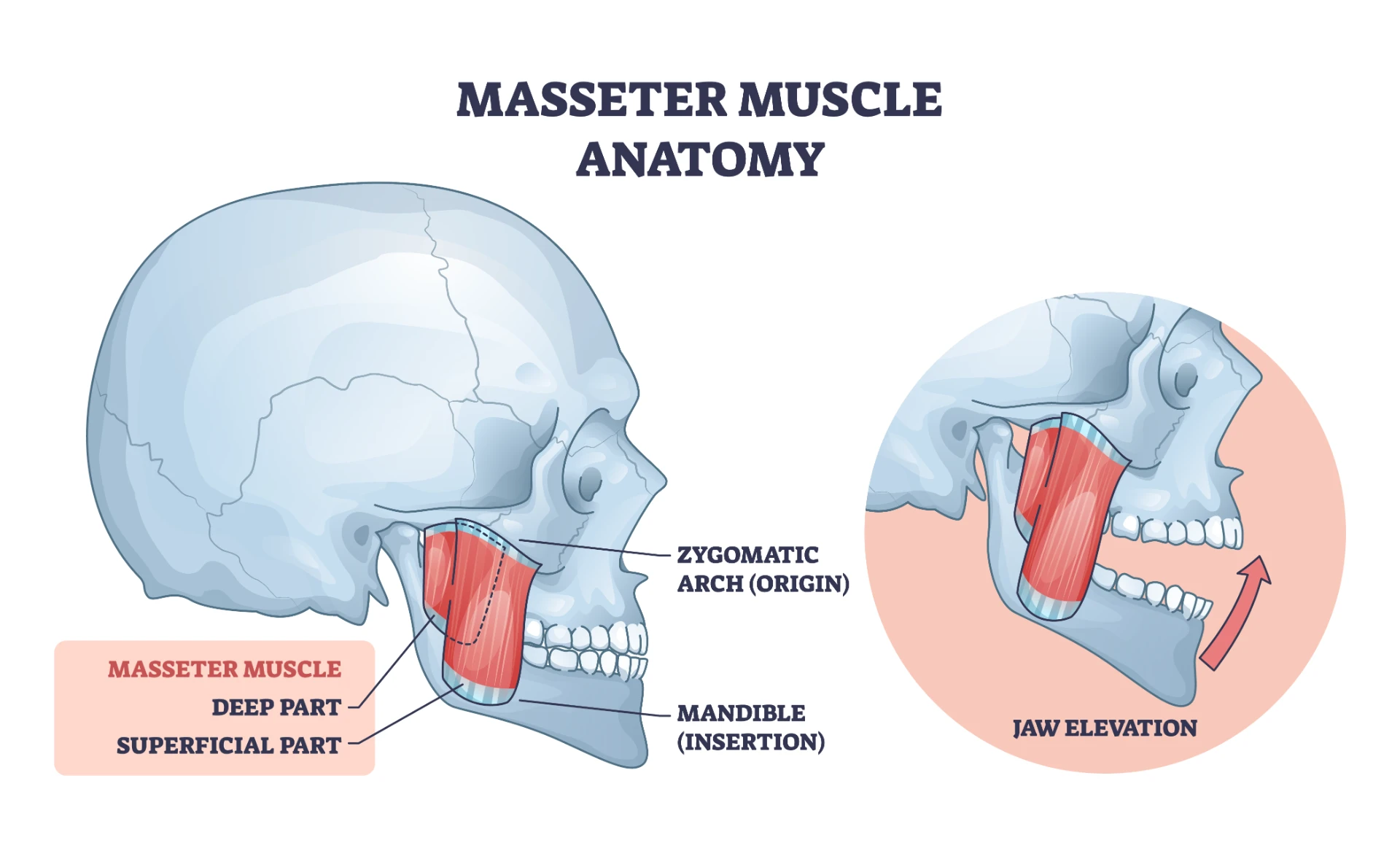
Jaw Pain (TMD): Causes, Symptoms and How Physiotherapy Can Help
Learn about jaw pain and temporomandibular disorders (TMD), common symptoms and causes, and how physiotherapy can help.