
Headache & Neck Physiotherapy
Neck Pain: Causes, Symptoms & How Physiotherapy Can Help
By Adam Neou, Physiotherapist ·
Neck pain is common and can develop for many different reasons.
It may come from sensitive muscles, joints or other tissues around the neck. Sometimes it develops after an injury, while in other cases it gradually appears with changes in activity, prolonged positions or increased physical load.
Neck pain can also occur alongside other problems, including headaches, jaw pain and dizziness.
The important question is not simply where your neck hurts, but what is contributing to your symptoms.

What does neck pain feel like?
Neck pain can present in different ways depending on what is contributing to it.
You may experience:
- Aching or stiffness in the neck.
- Pain when turning or bending your head.
- Pain that spreads into the shoulder or upper back.
- Headaches alongside your neck pain.
- Pain or discomfort around the jaw.
- Dizziness or unsteadiness associated with neck movement.
- Tingling, numbness or weakness into the arm.
Neck pain does not necessarily mean there is serious damage to the spine.
Can neck pain cause headaches?
Yes, the neck can contribute to some headaches.
The upper neck and head are closely connected through the nervous system. Sensory information from the upper neck interacts with the trigeminal system, which carries sensation from much of the face and head.
This helps explain why sensitivity in the upper neck can sometimes be experienced as pain in the head.
A cervicogenic headache is a headache attributed to a disorder of the neck.
You may notice a connection between your neck and headaches if your symptoms are consistently affected by:
- Neck movement.
- Sustained positions.
- Neck stiffness.
- Pressure or movement around the upper neck.
However, not every headache with neck pain is caused by the neck.
Migraine and other headache disorders can also cause neck pain, which is why assessment is important. Learn more in Headaches: Can Physiotherapy Help?
Can neck pain affect the jaw?
The neck and jaw work together during many everyday activities, including talking, chewing and maintaining head position.
The jaw and upper neck also have connections within the nervous system. As a result, people with neck pain may sometimes experience jaw symptoms, and people with jaw disorders may experience neck pain.
If you have both neck and jaw pain, an assessment can help determine whether these problems are related or whether they are separate issues.
This can be particularly relevant for people with temporomandibular disorders (TMD), where jaw pain, headaches and neck symptoms can sometimes occur together.
Can neck problems cause dizziness?
Some people experience dizziness or unsteadiness alongside neck pain.
The neck contains sensory receptors that provide information to the brain about the position and movement of your head. This information is integrated with signals from the inner ear and eyes to help your brain understand where your body is in space.
Changes in the way these systems interact can sometimes contribute to dizziness associated with neck problems.
However, dizziness is not automatically caused by the neck.
Inner-ear conditions such as BPPV and vestibular disorders can also cause dizziness. This is why dizziness alongside neck pain should be assessed carefully rather than automatically attributed to the cervical spine.
If appropriate, physiotherapy can help determine whether your symptoms appear to be related to the neck or whether another cause should be investigated.
When is neck pain related to a nerve?
Sometimes neck pain is accompanied by symptoms caused by irritation or dysfunction of a spinal nerve.
This can result in symptoms travelling into the arm or hand.
You may experience:
- Shooting or electric pain into the arm.
- Pins and needles.
- Numbness.
- Changes in sensation.
- Muscle weakness.
A cervical radiculopathy occurs when a nerve root in the neck is affected and its function becomes impaired.
Nerve-related symptoms do not necessarily mean that surgery or an MRI is required. However, new or worsening weakness, significant numbness or other neurological changes should be assessed appropriately.
How is neck pain assessed?
A physiotherapy assessment looks at more than just where your pain is located.
Your physiotherapist may ask about:
- How your symptoms started.
- What activities or positions affect them.
- Your neck movement.
- Headaches or facial symptoms.
- Jaw symptoms.
- Dizziness or balance symptoms.
- Arm symptoms such as numbness, tingling or weakness.
The physical assessment may include neck movement, strength, movement control and, where appropriate, neurological testing.
The aim is to identify the factors contributing to your symptoms and determine whether physiotherapy is appropriate.
Do I need a scan?
Most people with uncomplicated neck pain do not automatically need imaging.
Scans can show changes in the discs and joints of the neck, but these changes can also occur in people without pain.
Imaging may be considered when there is significant trauma, concerning symptoms, progressive neurological changes or when the result would change management.
Your symptoms and clinical assessment should be considered alongside any imaging findings.
How can physiotherapy help?
Treatment depends on what is contributing to your neck pain.
It may include:
Exercise
Exercises can help improve neck strength, movement, endurance and confidence.
Your program can be adjusted to your symptoms and your usual activities.
Manual therapy
Hands-on treatment may be used to help manage pain and improve movement where appropriate.
It is generally used alongside active treatment rather than as the only form of treatment.

Education
Understanding what is contributing to your neck pain can make symptoms easier to manage.
Your physiotherapist can help you understand movements, activities and positions that may influence your symptoms.
Gradual return to activity
If neck pain has limited your exercise, work or other activities, treatment can help you gradually rebuild your tolerance and confidence.
The aim is to help you return to the activities that are important to you rather than avoiding movement indefinitely.

When should you seek medical attention?
How NeoPhysio can help
At NeoPhysio, neck pain is assessed in the context of your individual symptoms and activities.
Where relevant, your assessment may also consider the relationship between your neck, jaw, headaches or dizziness.
Treatment is tailored to what is contributing to your symptoms rather than assuming that every episode of neck pain has the same cause.
If your symptoms suggest that physiotherapy is not the appropriate pathway, I can also help point you towards the next appropriate step.
Experiencing neck pain?
Neck pain can have a number of contributing factors. Getting the right assessment is an important first step.
NeoPhysio provides neck pain physiotherapy in Canberra, with appointments at Florey Medical Centre, 19 Kesteven Street, Florey ACT 2615. Phone 0494 573 722.
Book an appointment with Adam at NeoPhysio to discuss your symptoms and find out whether physiotherapy may be appropriate for you.
Articles
Explore more helpful articles from NeoPhysio.
Headache & Neck Physiotherapy
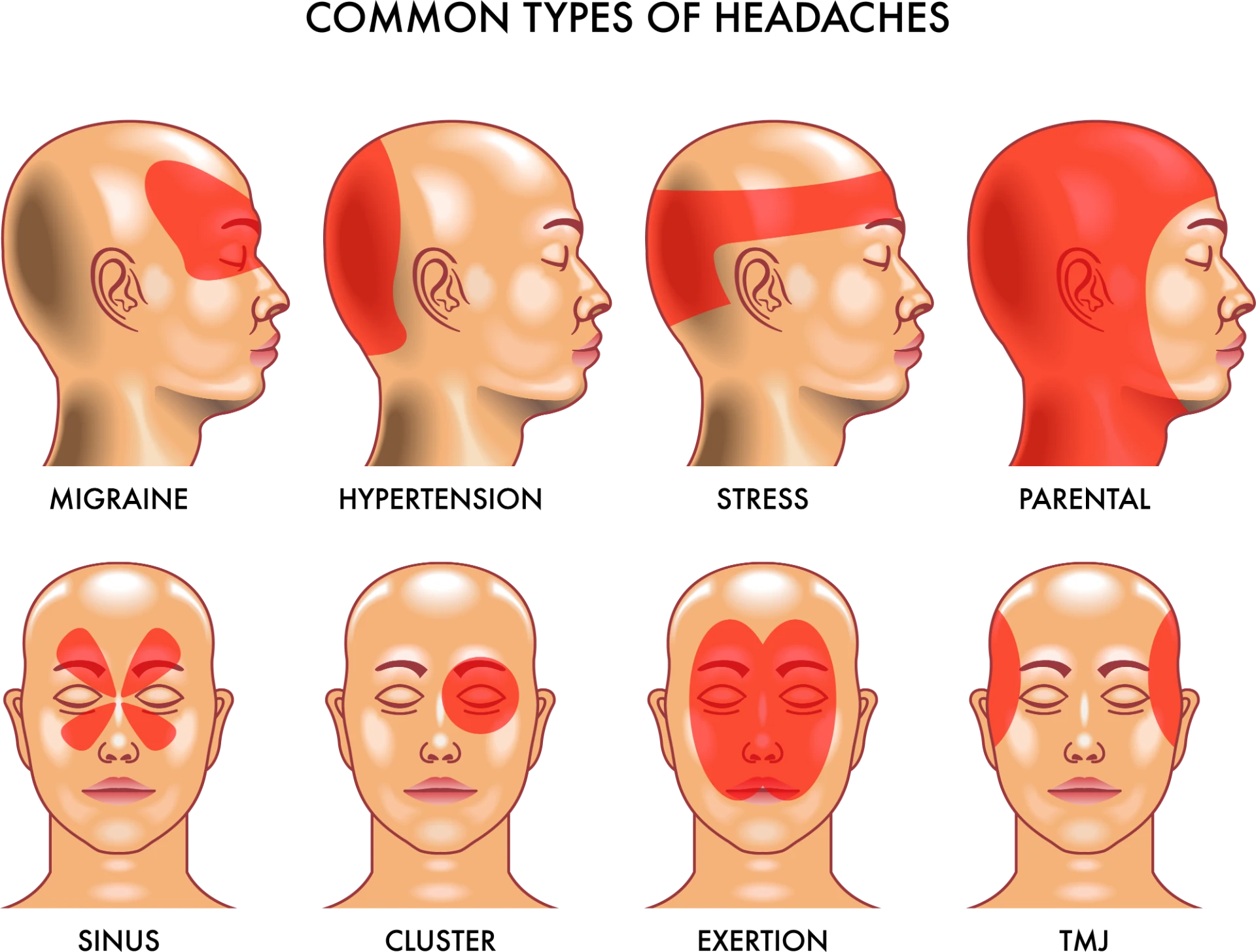
Headaches: Can Physiotherapy Help?
Learn when the neck or jaw may contribute to headaches, how headaches are assessed and when physiotherapy may or may not be appropriate.
Jaw & TMD Physiotherapy
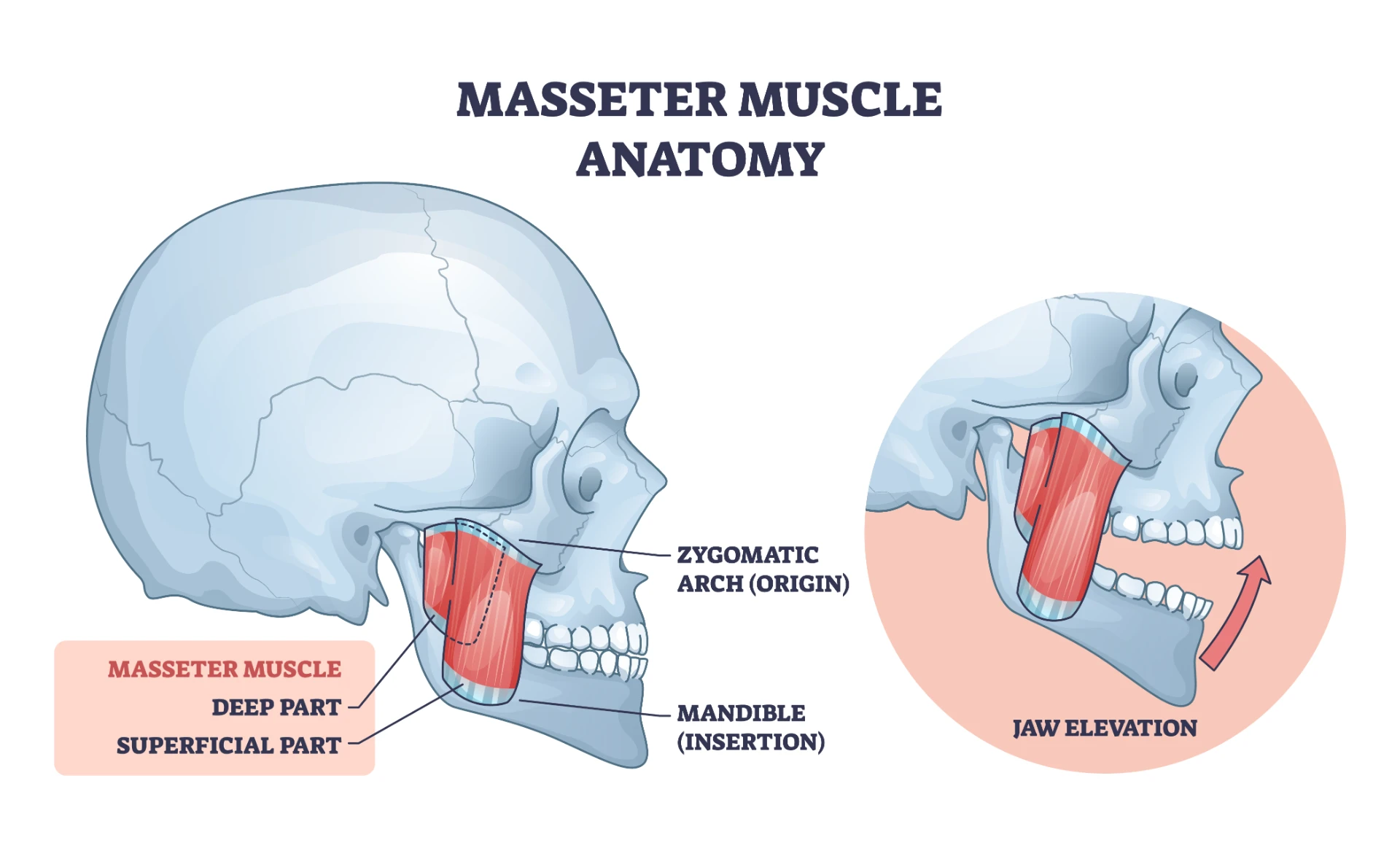
Jaw Pain (TMD): Causes, Symptoms and How Physiotherapy Can Help
Learn about jaw pain and temporomandibular disorders (TMD), common symptoms and causes, and how physiotherapy can help.

Shoulder & Musculoskeletal Physiotherapy
Rotator Cuff-Related Shoulder Pain: Causes, Symptoms & Treatment
Learn common symptoms and causes of rotator cuff-related shoulder pain, what scan findings mean and why gradually reloading the shoulder helps recovery.