Headache & Neck Physiotherapy
Headaches: Can Physiotherapy Help?
By Adam Neou, Physiotherapist ·
Headaches are common, but they do not all have the same cause.
For some people, the neck or jaw can contribute to their headache symptoms. In these cases, physiotherapy may help reduce symptoms and improve movement and function.
For others, physiotherapy may not be the most appropriate treatment.
The first step is therefore understanding whether your headache has a musculoskeletal component and whether physiotherapy for headaches is likely to help.
Can physiotherapy help headaches?
Yes, but it depends on the type of headache and what is contributing to it.
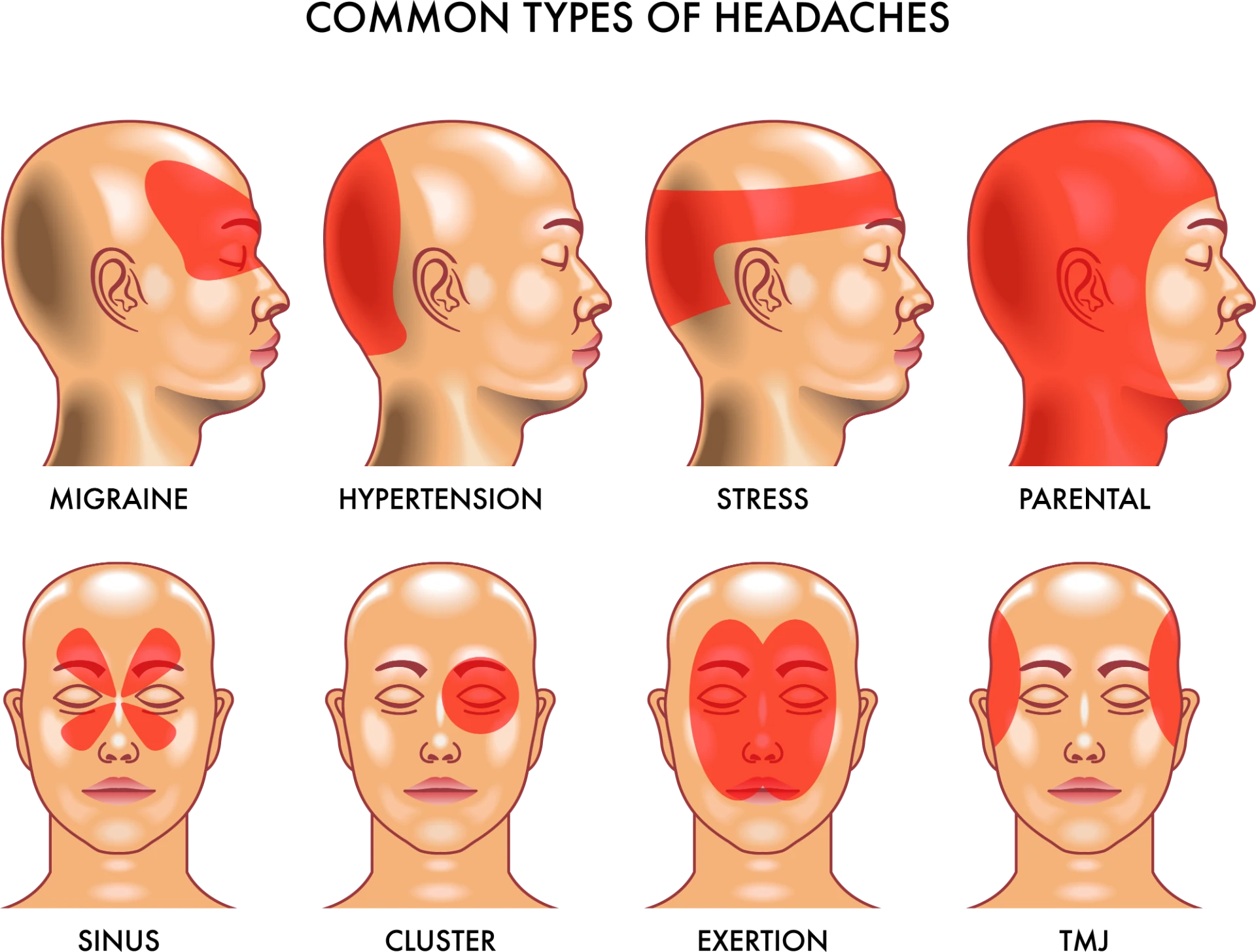
Physiotherapy may be relevant when headaches are associated with:
- Neck pain or stiffness
- Headaches consistently aggravated by neck movement or sustained positions
- Sensitivity of structures in the upper neck
- Jaw pain or temporomandibular disorders (TMD)
- Muscle and movement problems around the neck, upper back or jaw
Cervicogenic headache, for example, is a headache attributed to a disorder of the neck or surrounding structures.
However, this does not mean every headache is caused by your neck.
Migraine and other headache disorders can have different mechanisms and may require different approaches.
How can the neck contribute to headaches?
The upper neck and the head are closely connected through the nervous system.
Sensory information from the upper neck and the trigeminal nerve, which carries sensation from much of the face and head, comes together in an area known as the trigeminocervical complex.
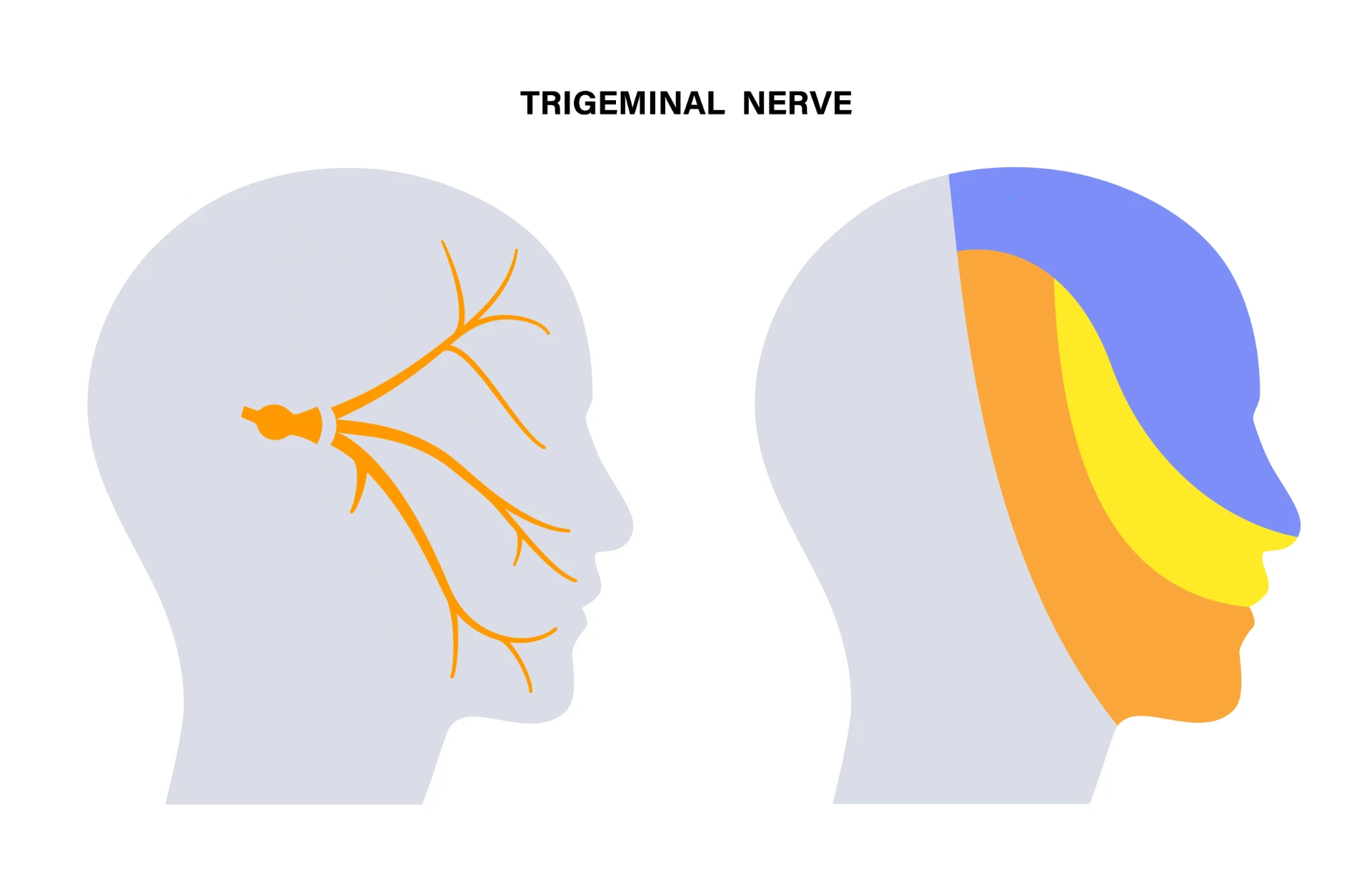
In simple terms, this means that irritation or sensitivity in the upper neck can sometimes be experienced as pain in the head.
This is known as trigeminocervical convergence.
You may notice:
- Headaches associated with neck pain or stiffness
- Pain that starts around the back of the head and travels forwards
- Headaches aggravated by certain neck movements or positions
- Reduced neck movement alongside your headaches
This does not mean that every headache is caused by the neck. Migraine and other headache disorders can also cause neck pain, which is why assessment is important.
What about the jaw?
The jaw can also contribute to some headaches.
The muscles and joints around the jaw are closely connected with the trigeminal nerve, which plays an important role in sensation and pain around the face and head.
This means that jaw problems, such as temporomandibular disorders (TMD), clenching or jaw muscle sensitivity, can sometimes be associated with headaches around the temples or forehead.
If you experience both jaw pain and headaches, assessing the jaw may be an important part of understanding your symptoms.
What is a cervicogenic headache?
A cervicogenic headache is a headache caused by a disorder or dysfunction of structures in the neck.
It may be associated with:
- Neck pain or stiffness
- Reduced neck movement
- Headaches that are consistently aggravated by neck movement
- Pain that starts around the upper neck or back of the head
- Reproduction of familiar headache symptoms during examination of the neck
Not every headache with neck pain is a cervicogenic headache.
A proper assessment is needed to determine whether the neck is actually contributing to your symptoms.
How is a headache assessed?
A headache assessment should involve more than simply checking whether your neck feels tight.
Your physiotherapist may ask about:
- Where your headache is located
- How often it occurs and how long it lasts
- What makes it better or worse
- Whether you experience nausea, light or sound sensitivity or visual symptoms
- Whether you have neck or jaw pain
- Whether neck or jaw movement affects your symptoms
Your physiotherapist may then assess your neck, jaw, movement, strength and other relevant areas.
The aim is to determine whether there is a musculoskeletal contribution to your headache and whether physiotherapy is appropriate.
How can physiotherapy help?
Treatment depends on what is contributing to your symptoms. It may include:
Exercise
Specific exercises may help improve neck strength, movement and control where these factors are relevant to your headache.
Manual therapy
Hands-on treatment may be used to address relevant joints or muscles around the neck and upper back.
Jaw treatment
If your jaw appears to be contributing to your headaches, treatment may include education, exercises and management of the jaw and surrounding muscles.
Education
Understanding your symptoms and identifying factors that may influence your headaches can help you manage them more effectively.
Physiotherapy is generally one part of management rather than a universal treatment for all types of headache.
What if physiotherapy can't help?
This is an important part of the assessment.
Not every headache is a physiotherapy problem.
If your assessment suggests that your symptoms are unlikely to be primarily musculoskeletal, or that another healthcare professional would be better placed to help, I will tell you.
Depending on your symptoms, this may mean recommending that you see your GP, neurologist, dentist or another appropriate healthcare professional.
The goal is not to keep treating you when physiotherapy is unlikely to help.
It is to make sure you are directed towards the right next step.
When should you seek medical attention?
How NeoPhysio can help
At NeoPhysio, headache physiotherapy focuses on identifying whether the neck, jaw or other musculoskeletal factors are contributing to your symptoms.
Treatment is individualised based on your assessment rather than assuming that every headache has the same cause.
And if physiotherapy is not the right treatment for you, I can help point you towards the next appropriate step.
Experiencing headaches?
Headaches can have a number of contributing factors. Getting the right assessment is an important first step.
NeoPhysio provides physiotherapy for headaches and related neck and jaw symptoms in Canberra, with appointments at Florey Medical Centre, 19 Kesteven Street, Florey ACT 2615. Phone 0494 573 722.
Book an appointment with Adam at NeoPhysio to discuss your symptoms and find out whether physiotherapy may be appropriate for you.
Articles
Explore more helpful articles from NeoPhysio.
Back Pain & Musculoskeletal Physiotherapy
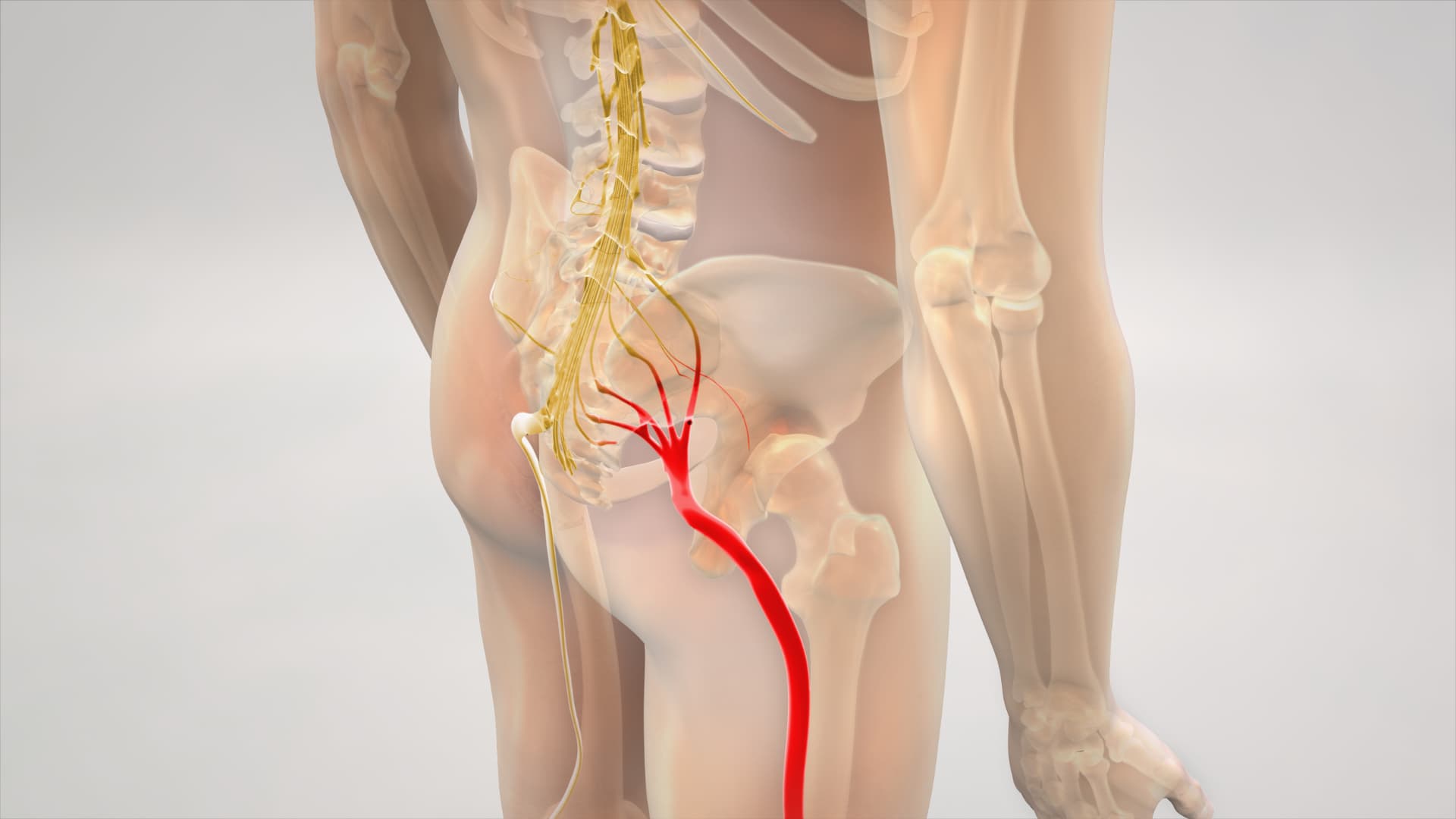
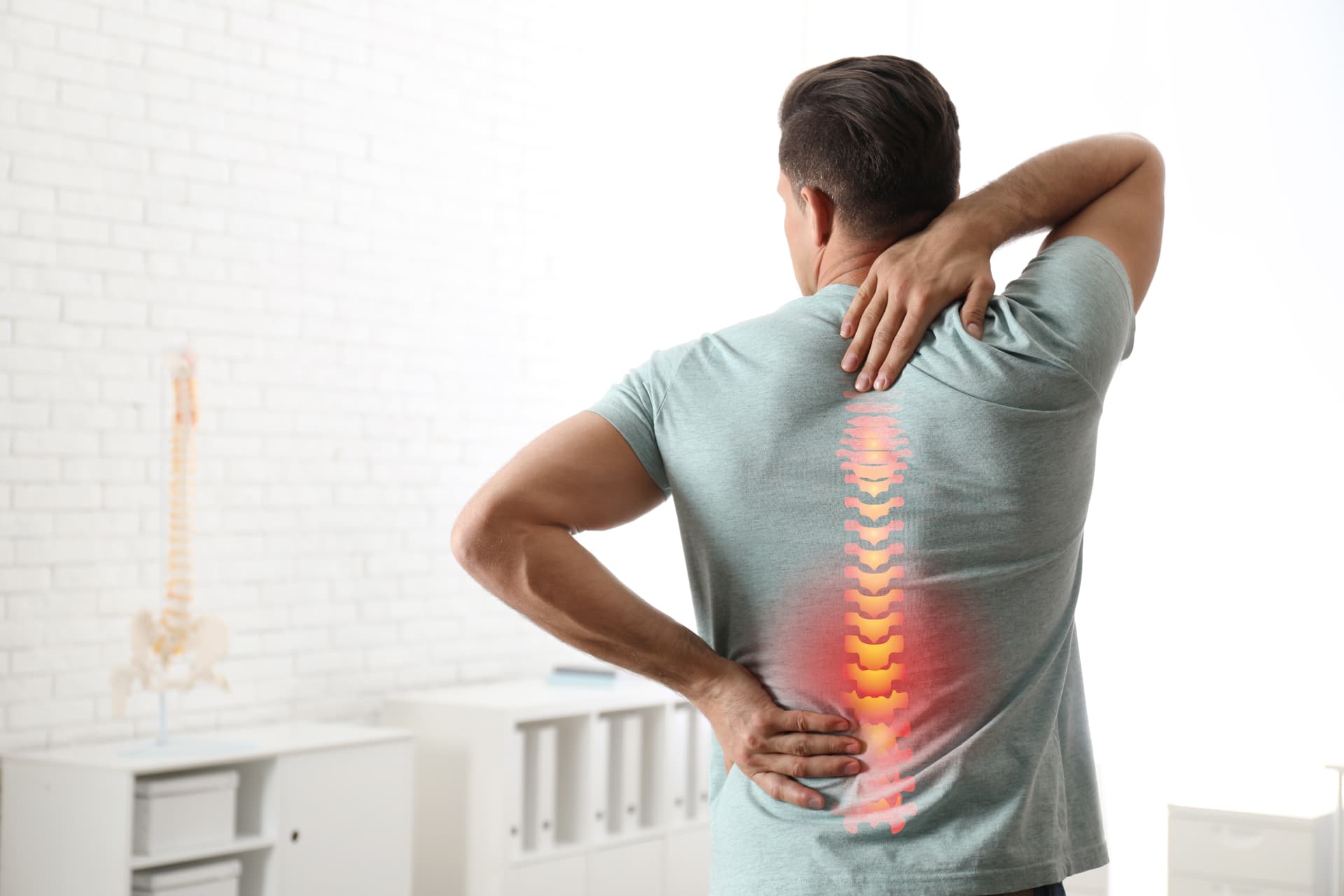
Sciatica: Why Does Back Pain Travel Down Your Leg?
Learn the difference between referred leg pain, radicular pain and radiculopathy, and when back-related leg symptoms need assessment.
Back Pain & Musculoskeletal Physiotherapy
Acute Low Back Pain: Causes, Recovery and When You Need a Scan
Learn why sudden low back pain can be severe, when imaging may be needed and how physiotherapy can support recovery.
Jaw & TMD Physiotherapy
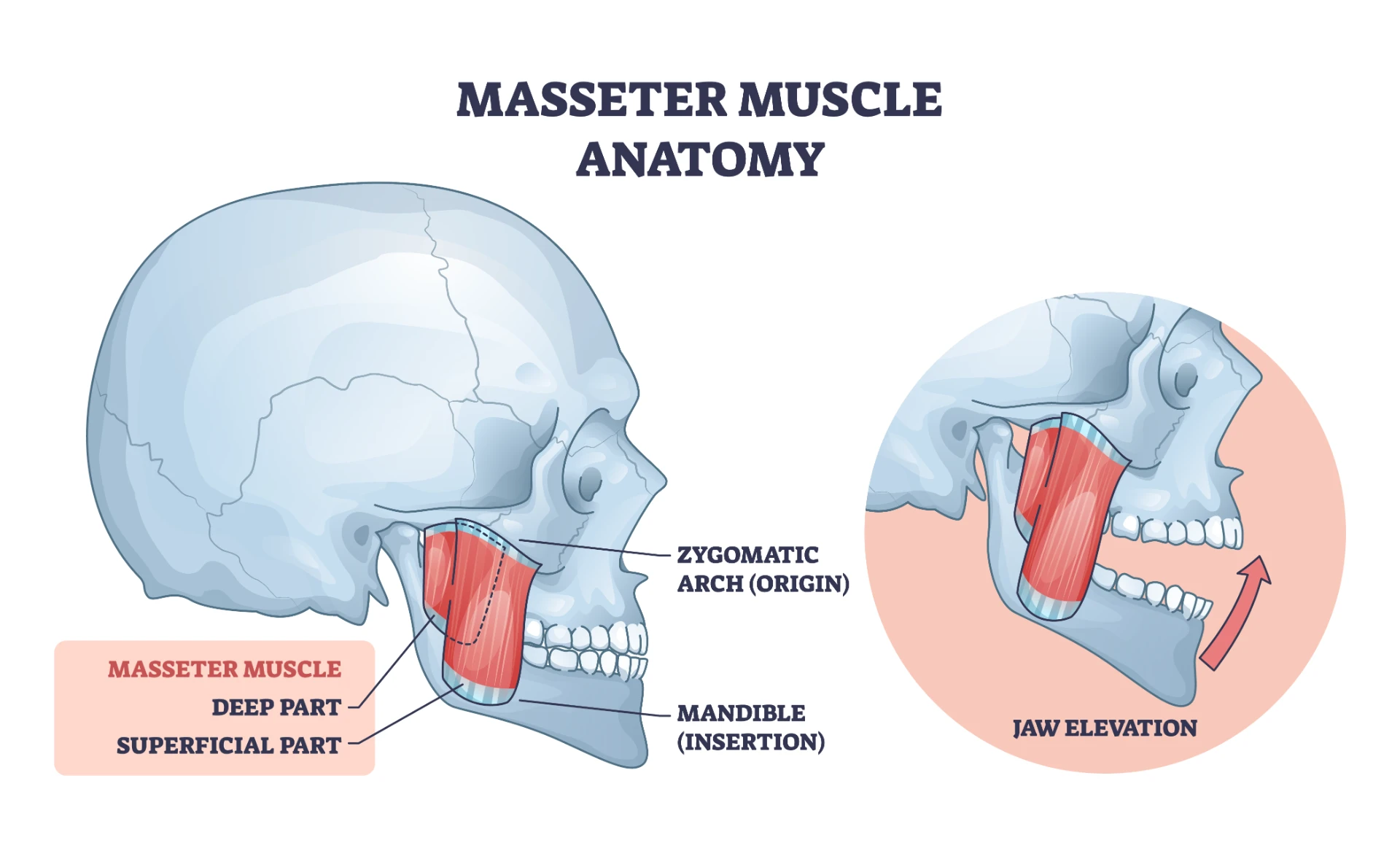
Jaw Pain (TMD): Causes, Symptoms and How Physiotherapy Can Help
Learn about jaw pain and temporomandibular disorders (TMD), common symptoms and causes, and how physiotherapy can help.
Dizziness & Vestibular Physiotherapy
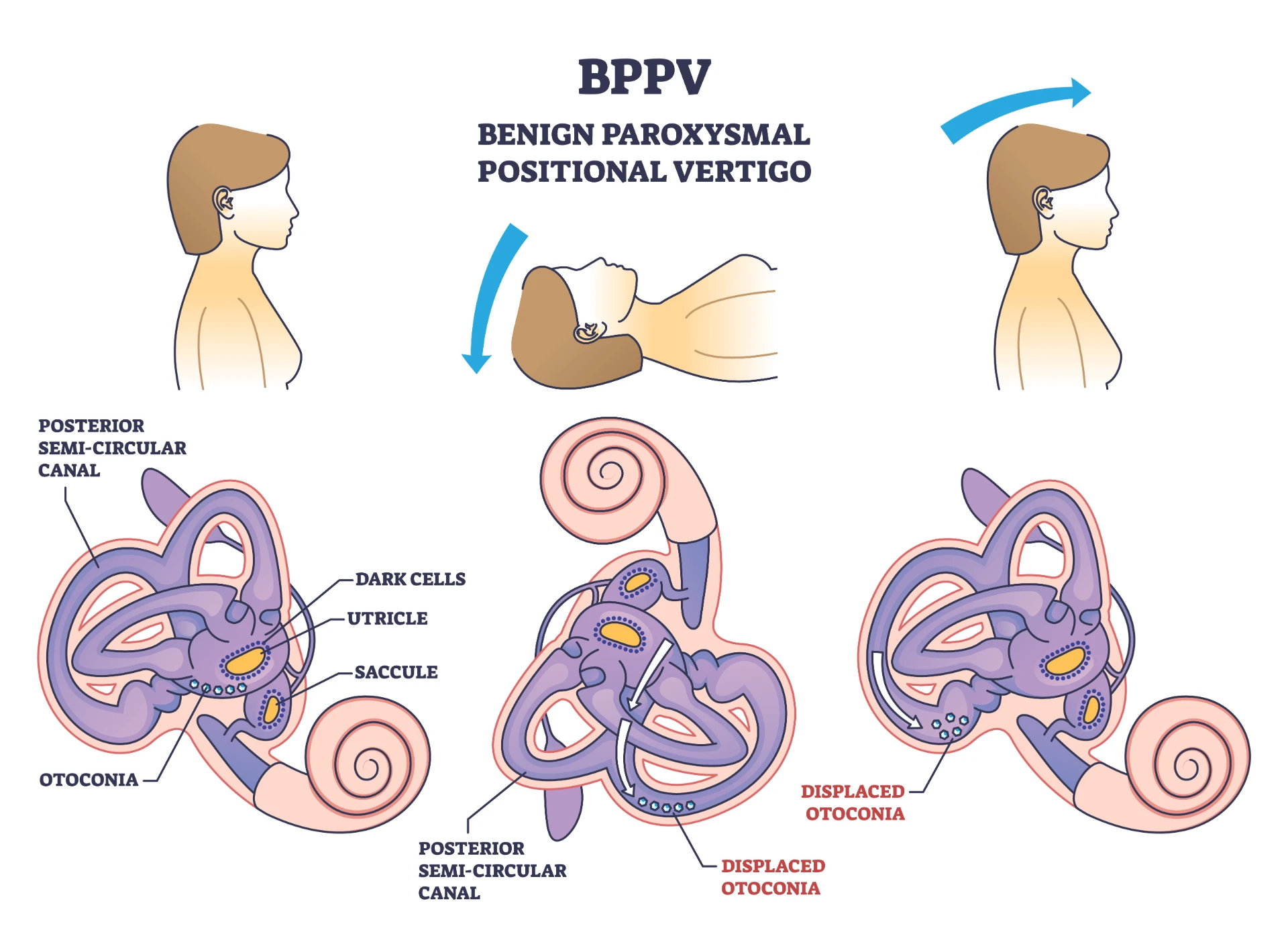
BPPV: What It Is, Risk Factors and How Physiotherapy Can Help
Learn what BPPV is, common risk factors, how it is diagnosed and treated, and how physiotherapy can help with positional dizziness.